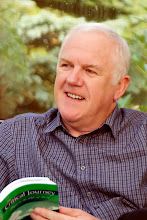
It’s interesting how when we are exploring a particular aspect of the Christian life, God places resources into our hands at just the right moment. You will realise from my last post that I have been challenged to seek a greater awareness of God’s Presence, both personally and at church. A few weeks ago I came across a book in a second-hand shop which I felt I should buy – The Healing Presence by Leanne Payne (Kingsway) – and it has proved to be quite a stimulus to my thinking.
I don’t know much about Leanne Payne in fact, but I associate her with what is called ‘Listening Prayer’, a particular approach to the healing ministry which is built around being sensitive to what God is saying and doing when we pray for people. That sounds like a wise strategy to me. However, the focus of this particular book is on practising the Presence for our selves, and ministering to others out of a belief that the Presence is with us.
She draws out attention to what she describes as the oldest liturgical prayer of them all, and the most powerful of all prayers: the prayer of invocation, ‘Come, Lord Jesus’ (1Corinthians 16:22, Revelation 22:20b). Perhaps the first believers would have shouted this prayer aloud, with great fervour, and in the expectation that the Risen Lord would indeed come and stand among them. Probably the communion meal would have been the context, and the moment recognised when the gifts of the Spirit began to be exercised, and healing took place. She writes, “Where the Presence of the Lord is truly invoked, there is little difficulty in believing on Him or moving in the spiritual power and authority He brings.”
I’m aware that ‘Come Lord Jesus’ can be nothing more than an empty mantra, but what if we were to pray that simple prayer until it became reality? What if we were to pause at the start of every meeting and wait for the Presence? Payne is careful to point out that it is the actual Presence, not the sensation of the Presence, that we are to seek, although of course the sense of God’s Presence is an added and welcome bonus. But it is significant, I think that we read about Jesus: ‘And the power of the Lord was present for him to heal the sick.’ (Luke 5:17)
The original tragedy of sin was that it cut us off from the Presence, causing us to become self-conscious rather than God-conscious. Salvation brings us back to the place where we can become God-conscious again, that is, living with the awareness of the Presence. Through the cross we are brought back into fellowship with God and to the enjoyment of his Presence. Congregations lose their anointing primarily through disunity – either internally among themselves, or externally in breaking fellowship with the wider body of Christ.
A growing awareness of God’s Presence then becomes the goal of the Christian life. “We learn to practice the Presence of Jesus within (our bodies are temples of his Holy Spirit, without (He walks alongside us as Companion and Brother), and all around (He is high and lifted up, and we exalt Him as Sovereign God). And we ask Him to love the world through us. We learn to collaborate with Him.”
Why not join me in seeking to become more aware of the Presence of God?
Wednesday, 23 February 2011


Monday, 14 February 2011
Face down
In recent weeks our attention has been drawn in church to Acts 2:42-47, the beautiful description of life in the early Christian community to which we all aspire. It is a very familiar piece, and well-worn ground as far as I am concerned, but this time as I read it a phrase leapt out at me that I had glossed over previously: ‘everyone was filled with awe’ (v43). I can’t say I’ve ever heard anyone (including myself) draw attention to this aspect of the early church, but being ‘awe-struck’ seems to have been a key ingredient in their life together.
‘Awe’ is a difficult word to define, and an emotion not easily described. The literal translation of this phrase is ‘and came to every soul fear’. Fear is the Greek word ‘phobos’ (from which we get phobia etc), and what we are talking about here is ‘reverential fear’, the respectful admiration and humble acknowledgement that comes when we are in the presence of something (or Someone) so much greater than ourselves. The experience takes our breath away (think of the Grand Canyon or similar), leaves us speechless, and makes us fall to the ground in wonder and amazement.
Now, does that often happen in your church? It doesn’t in ours. Generally speaking, Christians today have become over familiar with God, and we have lost this sense of the awesomeness of God. We have a tame, manageable deity who is predictable and can be controlled. But the backdrop to the New Testament church was a deep sense of humility in the presence of God. This was the context for the miraculous and the release of the Spirit’s power that we so long to see. I wonder if we can have the second without the first?
As I pondered this I began reading the book of Ezekiel. (As my part in the Bible reading initiatives marking the 400th anniversary of the KJV, I am reading parts of Scripture I often overlook.) There’s a lot even in the first chapter that leaves me mystified, but at the end of the chapter I came to this verse: ‘This was the appearance of the likeness of the glory of the Lord. When I saw it, I fell face down, and I heard the voice of one speaking.’ (Ezekiel 1:28).
Now here’s an experience of ‘awe’. Ezekiel is aware of the presence of God, and its effect on him is to bring him to his knees in reverent submission. The ‘glory’ of the Lord is the manifestation of his presence. That which is normally hidden becomes visible. For a moment the One who dwells in unapproachable light allows himself to be glimpsed, and it is an awe-inspiring moment.
We may be used to people being ‘slain’ in the Spirit, falling backwards ‘under the power’, but this seems to be something quite different to me because Ezekiel falls the other way – face down. He is prostrated before the Lord with his face in the dust. It is a position of deep humility, of surrender and submission, of yieldedness. The word ‘humility’ is derived from the Latin ‘humus’ which means ‘of the earth’. In the presence of God the priest is overwhelmed and truly humbled. He remembers that he is dust, created, finite, limited, human. There are no words suitable for such an encounter, only silence; no spiritual antics drawing attention to the person, only an instinctive giving way to the glory of God.
Personally, this is the kind of encounter that I long for. It frightens me, yes, but it seems to me to be far more authentic, and much more life-changing, than much of what passes for charismatic or Pentecostal fervour. To be honest, that often leaves me cold and embarrassed, because it appears to be man’s attempt to make something happen. When God comes by we don’t need to work anything up, and no-one steals his limelight. Everyone of us will be filled with awe, and no doubt on our knees like Ezekiel of old.
I think if this was the backdrop to our lives fruitful evangelism and supernatural happenings would become a matter of course. If we know personally what it is to fear God, we won’t be so easily intimidated by mere human beings; and if we have experienced his power individually, and together, our faith level is sure to rise.
As I pondered these words my thoughts settled on a great song by Matt Redman called ‘Facedown’. I have listened to it many times since as I seek a greater sense of the awesomeness of God. You can easily find it on You Tube. Why not take a moment to listen to it, in worshipful silence, as you too humble yourself before the mighty hand of God (1Peter 5:6).
‘Awe’ is a difficult word to define, and an emotion not easily described. The literal translation of this phrase is ‘and came to every soul fear’. Fear is the Greek word ‘phobos’ (from which we get phobia etc), and what we are talking about here is ‘reverential fear’, the respectful admiration and humble acknowledgement that comes when we are in the presence of something (or Someone) so much greater than ourselves. The experience takes our breath away (think of the Grand Canyon or similar), leaves us speechless, and makes us fall to the ground in wonder and amazement.
Now, does that often happen in your church? It doesn’t in ours. Generally speaking, Christians today have become over familiar with God, and we have lost this sense of the awesomeness of God. We have a tame, manageable deity who is predictable and can be controlled. But the backdrop to the New Testament church was a deep sense of humility in the presence of God. This was the context for the miraculous and the release of the Spirit’s power that we so long to see. I wonder if we can have the second without the first?
As I pondered this I began reading the book of Ezekiel. (As my part in the Bible reading initiatives marking the 400th anniversary of the KJV, I am reading parts of Scripture I often overlook.) There’s a lot even in the first chapter that leaves me mystified, but at the end of the chapter I came to this verse: ‘This was the appearance of the likeness of the glory of the Lord. When I saw it, I fell face down, and I heard the voice of one speaking.’ (Ezekiel 1:28).
Now here’s an experience of ‘awe’. Ezekiel is aware of the presence of God, and its effect on him is to bring him to his knees in reverent submission. The ‘glory’ of the Lord is the manifestation of his presence. That which is normally hidden becomes visible. For a moment the One who dwells in unapproachable light allows himself to be glimpsed, and it is an awe-inspiring moment.
We may be used to people being ‘slain’ in the Spirit, falling backwards ‘under the power’, but this seems to be something quite different to me because Ezekiel falls the other way – face down. He is prostrated before the Lord with his face in the dust. It is a position of deep humility, of surrender and submission, of yieldedness. The word ‘humility’ is derived from the Latin ‘humus’ which means ‘of the earth’. In the presence of God the priest is overwhelmed and truly humbled. He remembers that he is dust, created, finite, limited, human. There are no words suitable for such an encounter, only silence; no spiritual antics drawing attention to the person, only an instinctive giving way to the glory of God.
Personally, this is the kind of encounter that I long for. It frightens me, yes, but it seems to me to be far more authentic, and much more life-changing, than much of what passes for charismatic or Pentecostal fervour. To be honest, that often leaves me cold and embarrassed, because it appears to be man’s attempt to make something happen. When God comes by we don’t need to work anything up, and no-one steals his limelight. Everyone of us will be filled with awe, and no doubt on our knees like Ezekiel of old.
I think if this was the backdrop to our lives fruitful evangelism and supernatural happenings would become a matter of course. If we know personally what it is to fear God, we won’t be so easily intimidated by mere human beings; and if we have experienced his power individually, and together, our faith level is sure to rise.
As I pondered these words my thoughts settled on a great song by Matt Redman called ‘Facedown’. I have listened to it many times since as I seek a greater sense of the awesomeness of God. You can easily find it on You Tube. Why not take a moment to listen to it, in worshipful silence, as you too humble yourself before the mighty hand of God (1Peter 5:6).
Tuesday, 18 January 2011
Flying and catching
I have been reading biographies of some of the great Christian leaders who have influenced my thinking over the years – people like A.W Tozer, John Stott, Watchmen Nee and most recently, Henri Nouwen. I love to learn about the details of their lives, to see how God shaped them for his purpose, and how they coped with trials and tribulations.
One interesting thing that emerged as I read a biography of Nouwen by Jurjen Beumer was the interest he had in the circus, and in particular in the trapeze artists. He was deeply impressed by a South African troupe called ‘The Flying Rodleighs’ whom he met in 1991. Nouwen believed that spiritual themes could be seen in the whole of life, and he saw something in the trapeze ‘story’ that he believed was a metaphor for the spiritual life. He determined to get to know them – their lives, their discipline, their fears, the thrills they enjoyed.
In the following years his friendship with The Rodleighs developed. He watched them, listened to their stories, learned to understand their techniques and studied the movements of their bodies. Gradually the trapeze ‘story’ began to emerge as a metaphor in his thinking about the Christian life.
One day Nouwen was sitting with Rodleigh the leader of the troupe in his caravan, talking about flying.
‘As a flyer I must have complete confidence in my catcher,’ said Rodleigh. ‘The public might think that I am the great star of the trapeze, but the real star is Joe, my catcher. He has to be there for me with split second precision and grab me out of the air as I come to him in the long jump.’
‘How does it work?’ asked Nouwen.
‘The secret,’ Rodleigh said, ‘is that the flyer does nothing and the catcher does everything. When I fly to Joe, I have simply to stretch out my arms and hands and wait for him to catch me and pull me safely over the apron behind the catch bar.’
‘You do nothing!’ said Nouwen, surprised.
‘Nothing,’ Rodleigh repeated. ‘The worst thing the flyer can do is to try to catch the catcher. I am not supposed to catch Joe. It’s Joe’s task to catch me. If I grabbed Joe’s wrists, I might break them, or he might break mine, and that would be the end of both of us. A flyer must fly, and a catcher must catch, and the flyer must trust, with outstretched arms, that his catcher will be there for him.’
I’ll leave it to you to work out the way this picture illustrates the Christian life, and to apply it to your own walk with God in the present moment.
One interesting thing that emerged as I read a biography of Nouwen by Jurjen Beumer was the interest he had in the circus, and in particular in the trapeze artists. He was deeply impressed by a South African troupe called ‘The Flying Rodleighs’ whom he met in 1991. Nouwen believed that spiritual themes could be seen in the whole of life, and he saw something in the trapeze ‘story’ that he believed was a metaphor for the spiritual life. He determined to get to know them – their lives, their discipline, their fears, the thrills they enjoyed.
In the following years his friendship with The Rodleighs developed. He watched them, listened to their stories, learned to understand their techniques and studied the movements of their bodies. Gradually the trapeze ‘story’ began to emerge as a metaphor in his thinking about the Christian life.
One day Nouwen was sitting with Rodleigh the leader of the troupe in his caravan, talking about flying.
‘As a flyer I must have complete confidence in my catcher,’ said Rodleigh. ‘The public might think that I am the great star of the trapeze, but the real star is Joe, my catcher. He has to be there for me with split second precision and grab me out of the air as I come to him in the long jump.’
‘How does it work?’ asked Nouwen.
‘The secret,’ Rodleigh said, ‘is that the flyer does nothing and the catcher does everything. When I fly to Joe, I have simply to stretch out my arms and hands and wait for him to catch me and pull me safely over the apron behind the catch bar.’
‘You do nothing!’ said Nouwen, surprised.
‘Nothing,’ Rodleigh repeated. ‘The worst thing the flyer can do is to try to catch the catcher. I am not supposed to catch Joe. It’s Joe’s task to catch me. If I grabbed Joe’s wrists, I might break them, or he might break mine, and that would be the end of both of us. A flyer must fly, and a catcher must catch, and the flyer must trust, with outstretched arms, that his catcher will be there for him.’
I’ll leave it to you to work out the way this picture illustrates the Christian life, and to apply it to your own walk with God in the present moment.
Saturday, 1 January 2011
The Blessing of God
On 1st January 1951, shortly before he was imprisoned by the Communists, Watchmen Nee gave to the church a New Year message on the significance of God’s blessing as seen in the miracle of the loaves. He wrote:
‘All service is dependent upon the blessing of God. We may be very conscientious and very diligent, we may believe in his power and may pray to him to put it forth, but if the blessing of God is lacking, then all our conscientiousness, all out diligence, all our faith, and all our prayer is in vain. On the other hand, even though we make mistakes, and even though the situation we face be a hopeless one, provided we have the blessing of God there will be a fruitful issue….
This lesson is not easily learned. The hopes of so many are still centred, not on the blessing of the Lord but on the few loaves in their hand. It is so pitifully little we have in hand, and yet we keep reckoning with it; and the more we reckon the harder the work becomes. My brothers and sisters, miracles issue from the blessing of the Lord. Only let that be upon the loaves and they will be multiplied. Where the blessing of God rests the thousands are fed…
We should be able to trust the blessing of God and wait for it. And we should often find that, even where we had bungled things, somehow all was well. A little bit of blessing can carry us over a great deal of trouble.
What is ‘blessing’? It is the working of God where there is nothing to account for his working… When five loaves provide food for five thousand and leave twelve baskets of fragments, that is blessing. When the fruit of your service is out of all proportion to the gifts you possess, that is blessing. Or to be rather extreme, when, taking account of your failures, there should be no fruit from your labours, and still there is fruit, that is blessing. Many of us only expect results commensurate with what we are in ourselves, but blessing is fruit that is out of all correspondence with what we are…
A life of blessing should be our normal life as Christians and a work with the blessing of God upon it should be our normal work. ‘Prove me now herewith, saith the Lord of hosts, if I will not open you the windows of heaven, and pour out a blessing, that there shall not be room enough to receive it.’ (Malachi 3:10)
‘All service is dependent upon the blessing of God. We may be very conscientious and very diligent, we may believe in his power and may pray to him to put it forth, but if the blessing of God is lacking, then all our conscientiousness, all out diligence, all our faith, and all our prayer is in vain. On the other hand, even though we make mistakes, and even though the situation we face be a hopeless one, provided we have the blessing of God there will be a fruitful issue….
This lesson is not easily learned. The hopes of so many are still centred, not on the blessing of the Lord but on the few loaves in their hand. It is so pitifully little we have in hand, and yet we keep reckoning with it; and the more we reckon the harder the work becomes. My brothers and sisters, miracles issue from the blessing of the Lord. Only let that be upon the loaves and they will be multiplied. Where the blessing of God rests the thousands are fed…
We should be able to trust the blessing of God and wait for it. And we should often find that, even where we had bungled things, somehow all was well. A little bit of blessing can carry us over a great deal of trouble.
What is ‘blessing’? It is the working of God where there is nothing to account for his working… When five loaves provide food for five thousand and leave twelve baskets of fragments, that is blessing. When the fruit of your service is out of all proportion to the gifts you possess, that is blessing. Or to be rather extreme, when, taking account of your failures, there should be no fruit from your labours, and still there is fruit, that is blessing. Many of us only expect results commensurate with what we are in ourselves, but blessing is fruit that is out of all correspondence with what we are…
A life of blessing should be our normal life as Christians and a work with the blessing of God upon it should be our normal work. ‘Prove me now herewith, saith the Lord of hosts, if I will not open you the windows of heaven, and pour out a blessing, that there shall not be room enough to receive it.’ (Malachi 3:10)
Wednesday, 22 December 2010
Christmas Blog 3 - The Sovereign, the Servant and the Saviour
The final part of our Christmas meditation quite rightly draws our attention to the Saviour. The word that God has spoken to Simeon was that he would not die before he had seen the Lord’s Christ (Luke 2:26). This was am amazing promise, but God proves true to his word. On the day that Simeon goes into the Temple courts, responding to the impulse of the Spirit, there he sees a young couple with a new born child. They have come to fulfil the ritual requirements of the Law, and Simeon immediately recognises, perhaps to his surprise, that here is the Messiah.
This is a moment of high drama, not only for Simeon, but also for Mary and Joseph. For the first time they will hear confirmation through the lips of another human being that the child born to them really is the Messiah. Their meeting is a divine encounter, another example of the intricate planning of the Sovereign Lord. It reminds us that God can guide our steps in the normal affairs of our lives, and lead us to people in whom he is already at work.
As we imagine the scene in our mind, we can identify three descriptions of the Saviour.
Firstly, the Saviour as a child. By my calculations the baby Jesus is now about 40 days old. He was circumcised after 8 days, and the purification ritual took place after 33 days (see Leviticus 12:3-4). Here is the wonder of the incarnation – God really did appear in human flesh, and not as a grown up but as an ordinary child, subject to all the normal laws of growth and development. He is carried by his parents into the Temple, and held in Simeon’s warm embrace. He is circumcised according to custom, and presented to God as a firstborn male (Exodus 13:1-3). These things are done for him, and to him.
What condescension on the part of God, to be so limited and restricted, to appear in such weakness and vulnerability! Here indeed is a humble God, and here in the form of the Christ-child is a humble King! What an example to us of true servanthood, of placing the interests of others before our own.
Secondly, the Saviour as a light. Simeon is thrilled to have seen the Saviour for himself, but is aware that is coming is not simply for him personally, but for the whole world. This salvation has been prepared ‘in the sight of all people, a light for revelation to the Gentiles and for glory to your people Israel.’ (v31-32)
Isaiah the prophet had long ago spoken of the coming of the Messiah in terms of light. ‘The people walking in darkness have seen a great light; on those living in the land of the shadow of death, a light has dawned.’ (Isaiah 9:2) No-one lived more deeply in such darkness than the Gentiles, those in the contemporary world who knew nothing of the God of Israel. Now, through the birth of the Saviour, a new day was dawning when they too would be able to know God personally, and people everywhere would have the opportunity to be saved. There is no need for any of us to remain in darkness. The way to God has been opened up for us as well. God wants to shine the light of life into our own personal darkness.
But this was a wonderful day for the Jewish people too, for the Saviour was born through them. Their history and experience as God’s chosen people was reaching its climax at this juncture in time, and they can rightly feel proud of their heritage. All that remains is for them to welcome the Saviour and to recognise their Messiah. This we know, sadly, was not so easy for them, either then or now. The Saviour came to his own people, but remarkably, they did not receive him.
Thirdly, the Saviour as a sign. Simeon’s prayer moves imperceptibly into a prophecy as he speaks words of blessing to the holy couple. Not only will the Child bring salvation, however, he will also bring division. ‘This child is destined to cause the falling and rising of many in Israel, and to be a sign spoken against…’ (2:34). People will have to decide about him; they will either be for him, or against him. To those who believe he will become a cornerstone on which they can build their lives; to those who refuse him he will become a stumbling-block. See 1Peter 2:4-8.
Each of has a choice to make. Will we recognise that Jesus is the Christ, the Saviour of the world? And will we take him into our arms (and into our lives) as Simeon did? Or will we reject him and turn away, as did the innkeeper?
Every Christmas we are reminded of the choice we must make. The carols we joyfully sing provide us with a way of responding: ‘O come to my heart Lord Jesus, there is room in my heart for thee.’
This is no easy choice by the way. Simeon’s blessing contains a warning to Mary. ‘A sword will pierce your own soul too.’(v35) She will know the pain that only a mother can feel as her son is rejected, scorned and crucified; but she will also know the joy of his resurrection and the triumph of the eternal salvation he obtains for the whole world.
‘The child’s father and mother marvelled at was said about him.’(v33) They were filled with wonder and amazement as they began to understand what was happening. Perhaps this Christmas we can ask God to restore to us the sense of wonder and amazement that should rightly accompany our celebration of the birth of Jesus?
Why not ask God to lift your celebrations beyond the material dimension and into the spiritual realm? Be blessed as you share in this special time of year with God’s people around the globe.
This is a moment of high drama, not only for Simeon, but also for Mary and Joseph. For the first time they will hear confirmation through the lips of another human being that the child born to them really is the Messiah. Their meeting is a divine encounter, another example of the intricate planning of the Sovereign Lord. It reminds us that God can guide our steps in the normal affairs of our lives, and lead us to people in whom he is already at work.
As we imagine the scene in our mind, we can identify three descriptions of the Saviour.
Firstly, the Saviour as a child. By my calculations the baby Jesus is now about 40 days old. He was circumcised after 8 days, and the purification ritual took place after 33 days (see Leviticus 12:3-4). Here is the wonder of the incarnation – God really did appear in human flesh, and not as a grown up but as an ordinary child, subject to all the normal laws of growth and development. He is carried by his parents into the Temple, and held in Simeon’s warm embrace. He is circumcised according to custom, and presented to God as a firstborn male (Exodus 13:1-3). These things are done for him, and to him.
What condescension on the part of God, to be so limited and restricted, to appear in such weakness and vulnerability! Here indeed is a humble God, and here in the form of the Christ-child is a humble King! What an example to us of true servanthood, of placing the interests of others before our own.
Secondly, the Saviour as a light. Simeon is thrilled to have seen the Saviour for himself, but is aware that is coming is not simply for him personally, but for the whole world. This salvation has been prepared ‘in the sight of all people, a light for revelation to the Gentiles and for glory to your people Israel.’ (v31-32)
Isaiah the prophet had long ago spoken of the coming of the Messiah in terms of light. ‘The people walking in darkness have seen a great light; on those living in the land of the shadow of death, a light has dawned.’ (Isaiah 9:2) No-one lived more deeply in such darkness than the Gentiles, those in the contemporary world who knew nothing of the God of Israel. Now, through the birth of the Saviour, a new day was dawning when they too would be able to know God personally, and people everywhere would have the opportunity to be saved. There is no need for any of us to remain in darkness. The way to God has been opened up for us as well. God wants to shine the light of life into our own personal darkness.
But this was a wonderful day for the Jewish people too, for the Saviour was born through them. Their history and experience as God’s chosen people was reaching its climax at this juncture in time, and they can rightly feel proud of their heritage. All that remains is for them to welcome the Saviour and to recognise their Messiah. This we know, sadly, was not so easy for them, either then or now. The Saviour came to his own people, but remarkably, they did not receive him.
Thirdly, the Saviour as a sign. Simeon’s prayer moves imperceptibly into a prophecy as he speaks words of blessing to the holy couple. Not only will the Child bring salvation, however, he will also bring division. ‘This child is destined to cause the falling and rising of many in Israel, and to be a sign spoken against…’ (2:34). People will have to decide about him; they will either be for him, or against him. To those who believe he will become a cornerstone on which they can build their lives; to those who refuse him he will become a stumbling-block. See 1Peter 2:4-8.
Each of has a choice to make. Will we recognise that Jesus is the Christ, the Saviour of the world? And will we take him into our arms (and into our lives) as Simeon did? Or will we reject him and turn away, as did the innkeeper?
Every Christmas we are reminded of the choice we must make. The carols we joyfully sing provide us with a way of responding: ‘O come to my heart Lord Jesus, there is room in my heart for thee.’
This is no easy choice by the way. Simeon’s blessing contains a warning to Mary. ‘A sword will pierce your own soul too.’(v35) She will know the pain that only a mother can feel as her son is rejected, scorned and crucified; but she will also know the joy of his resurrection and the triumph of the eternal salvation he obtains for the whole world.
‘The child’s father and mother marvelled at was said about him.’(v33) They were filled with wonder and amazement as they began to understand what was happening. Perhaps this Christmas we can ask God to restore to us the sense of wonder and amazement that should rightly accompany our celebration of the birth of Jesus?
Why not ask God to lift your celebrations beyond the material dimension and into the spiritual realm? Be blessed as you share in this special time of year with God’s people around the globe.
Thursday, 16 December 2010
Christmas Blog 2 : The Sovereign, the Servant and the Saviour
This Christmas meditation is centred around the story in Luke 2:25-34 of the meeting of Simeon with Mary and Joseph and the baby Jesus in the Jerusalem Temple. In particular our thoughts are triggered by the prayer of Simeon in v29-30: ‘Sovereign Lord, as you have promised, you know dismiss your servant in peace. For my eyes have seen your salvation….’
His prayer is addressed to the Sovereign Lord, and we have seen in the first posting something of what that means. Now we think briefly about the ascription that Simeon gives to himself as the servant.
Simeon is described as a man of simple background, an ordinary person, perhaps getting on in years, but not one of the religious hierarchy – he is neither priest nor prophet in any official sense. This however does not prevent him from being a man of God, and neither should the fact that a person is not in ‘full-time’ ministry prevent them from being significantly used by God. His greatest moment comes at the end of his life, so there is never a time when God stops using us.
Simeon is a man of sound character, described as being both righteous and devout (v25). ‘Righteous’ refers to his outer life, where he was careful to live in accordance with God’s law; ‘devout’ refers to his inner life, where he is careful to maintain a living relationship with the living God. It is always important that we keep our outer life sustained by our inner life of devotion, and that our inner life finds expression in an outer life characterised by godly living and compassionate activity. This is what we mean by the word ‘integrity’: the integration of faith to daily life.
Simeon appears as a man of strong faith. He is ‘waiting for the consolation of Israel’ (v25). Remember it has been almost 400 years since God last spoke to Israel, and many had forgotten the covenant promises, but not the godly remnant. Simeon was amongst that small band who had not lost hope, but who eagerly awaited the coming of the Christ. Faith, remember is the assurance of things hoped for, and the conviction of things not seen (Hebrews 11:1). Such faith is well pleasing to God, and we too are called to walk by faith rather than by sight (2Corinthiams 5:7) he exhibited a ‘passionate patience’ as he waited for the Messiah.
Simeon is clearly a man of spiritual maturity. The Holy Spirit is upon him (v25), and he is hearing the voice of God through the Spirit. He is the recipient of a very special promise: that he will not die until he has seen the Christ. This is what motivates him and strengthens him. Furthermore he is sensitive to the Spirit, recognising his prompting and responding in obedience to the divine nudge to move into the Temple courts. Thus he arrives at exactly the right moment for a God arranged encounter with the young couple. How blessed we are to live in the dispensation of the Spirit, to know him as our Counsellor and Helper, to be led and guided by him! Do you long for a greater sensitivity to his workings? I know I do.
Simeon’s life seems to have been lived under the governance of God. The metaphor by which he lives is that of the servant, whose only desire is to please his Master. His whole life is at the disposal of the Sovereign Lord. He even sees the end of his life as being for God to decide. Perhaps he desires to be released from the trials of old age, but he knows he must be faithful to the end. ‘Lord, you now dismiss your servant in peace.’ (v29) There is no fear of death for those whose lives are lived solely with a view to God’s glory.
What a wonderful example Simeon sets for us. And remember, he was living under the Old Covenant! We are living under the New with so much more spiritual resource available to us, and so many more reasons to offer ourselves fully to God.
Perhaps this Christmas, as we encounter the self-giving love of God afresh, we can be moved to offer ourselves again to him in radical, sacrificial obedience? Perhaps we can decide to live, not for the blessing we can receive so much as for the blessing we can be to other people – sound in character, strong in faith and spiritually mature? Then God will be able to use us to speak words of life to those we meet, as Simeon did to Mary and Joseph.
His prayer is addressed to the Sovereign Lord, and we have seen in the first posting something of what that means. Now we think briefly about the ascription that Simeon gives to himself as the servant.
Simeon is described as a man of simple background, an ordinary person, perhaps getting on in years, but not one of the religious hierarchy – he is neither priest nor prophet in any official sense. This however does not prevent him from being a man of God, and neither should the fact that a person is not in ‘full-time’ ministry prevent them from being significantly used by God. His greatest moment comes at the end of his life, so there is never a time when God stops using us.
Simeon is a man of sound character, described as being both righteous and devout (v25). ‘Righteous’ refers to his outer life, where he was careful to live in accordance with God’s law; ‘devout’ refers to his inner life, where he is careful to maintain a living relationship with the living God. It is always important that we keep our outer life sustained by our inner life of devotion, and that our inner life finds expression in an outer life characterised by godly living and compassionate activity. This is what we mean by the word ‘integrity’: the integration of faith to daily life.
Simeon appears as a man of strong faith. He is ‘waiting for the consolation of Israel’ (v25). Remember it has been almost 400 years since God last spoke to Israel, and many had forgotten the covenant promises, but not the godly remnant. Simeon was amongst that small band who had not lost hope, but who eagerly awaited the coming of the Christ. Faith, remember is the assurance of things hoped for, and the conviction of things not seen (Hebrews 11:1). Such faith is well pleasing to God, and we too are called to walk by faith rather than by sight (2Corinthiams 5:7) he exhibited a ‘passionate patience’ as he waited for the Messiah.
Simeon is clearly a man of spiritual maturity. The Holy Spirit is upon him (v25), and he is hearing the voice of God through the Spirit. He is the recipient of a very special promise: that he will not die until he has seen the Christ. This is what motivates him and strengthens him. Furthermore he is sensitive to the Spirit, recognising his prompting and responding in obedience to the divine nudge to move into the Temple courts. Thus he arrives at exactly the right moment for a God arranged encounter with the young couple. How blessed we are to live in the dispensation of the Spirit, to know him as our Counsellor and Helper, to be led and guided by him! Do you long for a greater sensitivity to his workings? I know I do.
Simeon’s life seems to have been lived under the governance of God. The metaphor by which he lives is that of the servant, whose only desire is to please his Master. His whole life is at the disposal of the Sovereign Lord. He even sees the end of his life as being for God to decide. Perhaps he desires to be released from the trials of old age, but he knows he must be faithful to the end. ‘Lord, you now dismiss your servant in peace.’ (v29) There is no fear of death for those whose lives are lived solely with a view to God’s glory.
What a wonderful example Simeon sets for us. And remember, he was living under the Old Covenant! We are living under the New with so much more spiritual resource available to us, and so many more reasons to offer ourselves fully to God.
Perhaps this Christmas, as we encounter the self-giving love of God afresh, we can be moved to offer ourselves again to him in radical, sacrificial obedience? Perhaps we can decide to live, not for the blessing we can receive so much as for the blessing we can be to other people – sound in character, strong in faith and spiritually mature? Then God will be able to use us to speak words of life to those we meet, as Simeon did to Mary and Joseph.
Friday, 10 December 2010
Christmas Blog 1 - The Sovereign, the Servant and the Saviour
I really enjoy the Birth Stories, the accounts in Matthew and Luke describing the coming of the Saviour. They are simple and straightforward narratives, but constantly filled with wonder and surprise as The Great Event unfolds. Every year I look forward to renewing my acquaintance with the central characters, those ordinary, humble, godly men and women: Mary and Joseph, Zechariah and Elizabeth, and especially Simeon and Anna.
My thoughts this year have focussed on the story of Simeon and his meeting with the proud new parents in the Jerusalem Temple (Luke 2:25-34). By my reckoning this takes place about 40 days after the actual birth of Jesus, but I think we can still call it part of the Christmas Story. I am drawn to Simeon’s prayer in v29-30: ‘Sovereign Lord, as you have promised, you now dismiss your servant in peace. For my eyes have seen your salvation…’
Here we find three important strands drawn together – the Sovereign, the servant and the Saviour. This blog will concentrate on the person to whom Simeon directs his prayer, and his understanding of the God he so evidently worshipped and adored: the Sovereign Lord.
In Britain we are used to the notion of a sovereign who reigns because we have one, Queen Elizabeth II. She holds her position by right because of her royal descent. However, she does not rule because she has no authority to change anything. That part belongs to the Prime Minister who through Parliament can introduce laws and govern the country; but he of course does not reign because he is elected to office and can be voted out whenever there is an election. It is unusual for any one person to reign and to rule. Indeed, we can say that only God has such authority for he in both Sovereign (he reigns) and Lord (he rules).
The notion of the sovereignty of God is a fundamental belief of Christianity. In essence it means that God is in control of everything that happens, in the world of nations, in the church, and in our individual lives. He does this whilst still allowing us freewill, and by weaving together individual events (which may seem random) and a multitude of personal choices (which may not always be wise) into his overall plan and purpose. As God says through Isaiah, ‘Surely, as I have planned, so will it be, and as I have purposed, so it will stand… For the Lord Almighty has purposed, and who can thwart him? His hand is stretched out, and who can turn it back?’ (Is 14:24,27)
As we survey the various happenings in the Birth Stories there is a very real sense of God superintending and orchestrating events, like a director arranging a play, or a football manager employing match-winning tactics, or a chess grandmaster moving his pieces strategically. Things are not happening by chance but by divine design. Scriptures written long ago are being fulfilled before our eyes. A powerful Roman emperor makes a decision that causes God’s will to come to pass through the ensuing chaos and movement of thousands of people. Angelic activity increases dramatically as important news is communicated, and people have disturbing dreams that shape their responses. A star supernaturally appears in the heavens to herald a major event and provide expert guidance for distant travellers.
It is not just that these things happen, but that they happen together, according to a timetable. God’s plan has been set for centuries but in this moment it is coming to pass, when the world is ready. As Paul says, ‘But when the time had fully come, God sent his Son…’ (Galatians 4:4) We are watching the Sovereign Lord at work, skilfully placing together the various pieces of the jigsaw.
But what does this have to say to us? It means firstly that our own lives are not at the mercy of chance or fate, but that there is a Guiding Hand overseeing seemingly haphazard happenings in our own circumstances. Yes, God is working out his plan for us, in his own time and in his own way, and we can rest in the knowledge that he is in control and knows what he is doing.
It means secondly that we need to live with patience, waiting for the timing of God. There is a right time for God’s promises to be worked out in our lives, and he will neither hurry nor delay. We must learn to adjust ourselves to the divine timetable.
Thirdly, if God truly is the Sovereign Lord, and if we recognise him as such, it means we must yield ourselves to his authority. We must happily take our place as his servants, and allow him to govern our lives. That was the way Simeon lived, and it is the way all who worship the Christ Child should live too. This will be the theme of our next posting.
My thoughts this year have focussed on the story of Simeon and his meeting with the proud new parents in the Jerusalem Temple (Luke 2:25-34). By my reckoning this takes place about 40 days after the actual birth of Jesus, but I think we can still call it part of the Christmas Story. I am drawn to Simeon’s prayer in v29-30: ‘Sovereign Lord, as you have promised, you now dismiss your servant in peace. For my eyes have seen your salvation…’
Here we find three important strands drawn together – the Sovereign, the servant and the Saviour. This blog will concentrate on the person to whom Simeon directs his prayer, and his understanding of the God he so evidently worshipped and adored: the Sovereign Lord.
In Britain we are used to the notion of a sovereign who reigns because we have one, Queen Elizabeth II. She holds her position by right because of her royal descent. However, she does not rule because she has no authority to change anything. That part belongs to the Prime Minister who through Parliament can introduce laws and govern the country; but he of course does not reign because he is elected to office and can be voted out whenever there is an election. It is unusual for any one person to reign and to rule. Indeed, we can say that only God has such authority for he in both Sovereign (he reigns) and Lord (he rules).
The notion of the sovereignty of God is a fundamental belief of Christianity. In essence it means that God is in control of everything that happens, in the world of nations, in the church, and in our individual lives. He does this whilst still allowing us freewill, and by weaving together individual events (which may seem random) and a multitude of personal choices (which may not always be wise) into his overall plan and purpose. As God says through Isaiah, ‘Surely, as I have planned, so will it be, and as I have purposed, so it will stand… For the Lord Almighty has purposed, and who can thwart him? His hand is stretched out, and who can turn it back?’ (Is 14:24,27)
As we survey the various happenings in the Birth Stories there is a very real sense of God superintending and orchestrating events, like a director arranging a play, or a football manager employing match-winning tactics, or a chess grandmaster moving his pieces strategically. Things are not happening by chance but by divine design. Scriptures written long ago are being fulfilled before our eyes. A powerful Roman emperor makes a decision that causes God’s will to come to pass through the ensuing chaos and movement of thousands of people. Angelic activity increases dramatically as important news is communicated, and people have disturbing dreams that shape their responses. A star supernaturally appears in the heavens to herald a major event and provide expert guidance for distant travellers.
It is not just that these things happen, but that they happen together, according to a timetable. God’s plan has been set for centuries but in this moment it is coming to pass, when the world is ready. As Paul says, ‘But when the time had fully come, God sent his Son…’ (Galatians 4:4) We are watching the Sovereign Lord at work, skilfully placing together the various pieces of the jigsaw.
But what does this have to say to us? It means firstly that our own lives are not at the mercy of chance or fate, but that there is a Guiding Hand overseeing seemingly haphazard happenings in our own circumstances. Yes, God is working out his plan for us, in his own time and in his own way, and we can rest in the knowledge that he is in control and knows what he is doing.
It means secondly that we need to live with patience, waiting for the timing of God. There is a right time for God’s promises to be worked out in our lives, and he will neither hurry nor delay. We must learn to adjust ourselves to the divine timetable.
Thirdly, if God truly is the Sovereign Lord, and if we recognise him as such, it means we must yield ourselves to his authority. We must happily take our place as his servants, and allow him to govern our lives. That was the way Simeon lived, and it is the way all who worship the Christ Child should live too. This will be the theme of our next posting.
Subscribe to:
Posts (Atom)