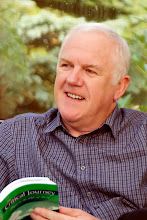
As a teenager I loved The Beatles and sang along with everyone else, ‘Will you still need me, will you still feed me, when I’m sixty four?’ I doubt that the Fab Four could even contemplate themselves what it would be like to reach such a milestone back then, although most of them do now. As for a young 14 year old, 64 was just a number, an age beyond my comprehension, an eternity away. But not anymore; the milestone has been reached. I am 64!
I’m grateful to God for the years that have passed, filled in so many ways with examples of his goodness, and panning out in ways I never expected or could have anticipated. There have been many good days, a few not-so-good days, but on the whole life has been kind to me and I have much to be thankful for; but now, with just one more year before ‘retirement’ (whatever that means and however it will look) I am more than ever conscious of my age, and thinking about how I want to spend the years ahead of me – however many I may be granted.
I’ve been drawn to start considering the ‘spirituality of ageing’, what it means to live these later years according to the agenda of God, meeting both the particular challenges and unique opportunities that growing old presents from the perspective of faith. There is not a lot written about it, and not much is taught about it in our churches, so I know there is a wide door of opportunity to teach on this subject. At the same time, I know I have to live it too, bringing God into the mix of my own life post-64. So I am learning firstly for my own benefit, but also secondly that I may help others in their later pilgrimage.
First up has been the question of how to prepare for ‘retirement’ since next year I will receive my State pension, and in theory can afford to slow down and take things a little easier. But how to do that when you are an active person, used to being on the go, and enjoying a broad field of operation? The picture that has come to me often is that of a Jumbo jet coming in to land. About 45 minutes out of London, and whilst we are still over Europe, the captain usually announces ‘we are beginning our descent’. You cannot bring a massive jet, with hundreds of passages and tons of luggage on board, into land without a carefully timed descent. Likewise, I have felt that as I approach retirement I have to begin slowing down now, gradually making an adjustment to my commitments and responsibilities, carefully letting go of some of my involvements so that it does not all happen in one go.
This transition is not easy and involves loss and grief. I have already given up my role as Pastoral Carer for MAF in Africa. Last week was my last trip to Singapore to be with my Mentoring Group. These involvements have meant a great deal to me, but I am aware that the time has come to give them back to God; he gave me these openings and now I offer them back to him, but it hurts. Other avenues of service have naturally come to an end, like the closure of Bawtry Hall where I have been involved for 20 years. There is a sense of a change of season in ministry, as well as a new passage of life.
I know from God that now is the time to be at home more, to travel less, to be available to my family, to care for my health, and to have more space in my life for God to fill. I have the sense that a ‘surprise’ awaits me, although I have no idea what kind of surprise! This year will be a year of slowing down, and then from March 2015 having a 3 month sabbatical. After that, who knows? I will still write, I will still lead retreats, I will ….. Well, that’s for God to direct, and I look forward to finding out in due course what he has in mind for me, even if there is a surprise element to it.
For the moment I am enjoying my birthday, feeling loved, and feeling blessed. With God’s help and grace I want to keep walking in his ways and doing his will. The words of Psalm 84 come to mind: ‘Blessed are those whose strength is in you, who have set their hearts on pilgrimage …. They go from strength to strength, till each appears before God in Zion (v5 and 7).’
Friday, 14 March 2014


Thursday, 20 February 2014
Let the train take the strain?
Those who live in the UK will be familiar with this slogan advocating the benefits of travelling by rail, and normally it is true. I love train journeys, and often use the east Coast mainline to travel from Doncaster down to London, and then on the Kings Cross.
On a recent journey I was all ready to leave home for the station when I realised I could not find my rail tickets. I knew I had them in my possession earlier in the week, so began to serach my bag for them, but to no avail. Puzzled by this unusual display of disorganisation, I asked Evelyn to help me look. She also went through my bag, but couldn’t find them; I checked my desk, my drawers, and other possible locations, but also to no avail. With time running out we decided we had better head for the station and explain what had happened, hoping they could issue a second set.
You can imagine that by now ‘panic’ is the best word to describe my response, that and ‘anger’ – not at anyone else but as myself for my incompetency. You see I am always so well organised (I need to be given the amount of travel I do), and I did not like this display of inefficiency one bit. My blood continued to boil as we headed for the station, me at the wheel to make sure we got there as quickly as possible as I had a specific train to catch and time was running out.
Once at the station I explained my dilemma at the ticket office, using my most plaintive manner, but without effect. I was told I needed to buy a new set of tickets (costing £70 on top of the original £50), with no refund for the lost tickets. With no alternative I bought the new tickets and after a short wait boarded the train to London, still in somewhat of a stew. After a minute or two to catch my breath I opened my bag just to check …. And almost straightaway found the lost tickets, hidden behind a brochure in one of my files. I had clearly put them somewhere ‘safe’, but that place proved to be too safe. Now I was angry with myself not just for my inefficiency, but also for such a waste of money. Two cardinal sins as far as my conscience is concerned.
Two hours later I was in London’s Kings Cross station sipping a latte and mulling over this incident. Several things came to my mind.
(1) We create our own stress, not because we make mistakes, but because we respond badly to certain situations. We get them out of proportion, as if it were the end of the world. So I lost my tickets – it’s not the end of the world. It wasn’t as if I had a plane to catch this time, buying a replacement was straightforward, and I arrived on time anyway, so why so much fuss? Easy of curse in hindsight. Most of us have a default position that says PANIC when things go wrong, but not many situations actually deserve a panic response.
(2) It took the two hours of the journey for me to slow down, catch my breath and relax again. I was really annoyed with myself and my response, especially for bringing Evelyn into the orbit of my stress. Stress begets stress, doesn’t it, and for some reason we love to draw others into the realm of our distress. There is a perverse comfort in doing that, and it’s not something to be proud of.
(3) The hardest thing was to forgive myself for my incompetency and waste of money. My internal critic is quick off the mark when I make a mistake like this, usually accusing me with words like ‘You stupid boy!’ (copied from Dad’s Army?). Eventually I came to terms with my fallibility, put it under the cover of God’s magnificent grace, and allowed myself to stop the self- reproach . But it wasn’t easy.
(4) Such moments have much to teach us about ourselves, and our need to be perfect, or in control, or competent or whatever…. I guess they also serve to ‘prick our bubble’ in case we think we have reached some stage of spiritual perfection where we are beyond the reach of such immature emotional responses. They help us, and others, to see that we are still quite human and fallible, despite how God may use us, or how others may view us, or how we may present ourselves publicly. For those who are teachers, leaders, or in the public eye, it is the kindness of God that he occasionally humbles us less we become too big for our boots. Whatever our stage in life, pride remains our greatest and most subtle enemy, and humility our most loyal and closest friend.
So that’s the story of my train journey, and one I hope not to repeat again. I’m down to London again next week, but it’s OK I know where my tickets are. I think.
Thursday, 31 October 2013
A sparrow, a swallow and a Jack Russell
‘Even the sparrow has found a home, and the swallow a nest for herself, where she may have her young – a place near your altar, O Lord Almighty, my King and my God.’ Psalm 84:3
This verse comes from one of my favourite Psalms, and is also one of my favourite verses. Why? Because it reminds us of the welcome of grace. Sparrows and swallows are, in my experience, both messy and noisy, especially when they are nesting, and it is hugely surprising to me to discover that not only were they allowed in the Jerusalem temple, they were actually welcomed there!
The point is this: if God has a welcome for sparrows and swallows, surely he has a welcome for us with all our own messiness and chatter. Rather than be a barrier to keep us away from God, the altar is meant to be a bridge bringing us near to him. We are able to feel at home with God even though we are far from perfect because sin has been dealt with and we are now free to approach a holy God. Grace bids us welcome.
Which brings me to the Jack Russell and my recent visit to the Sisters of Bethany, a community of nuns in Portsmouth.
I was leading a week long retreat for them, and on the final day we were gathering in the chapel for the second service of prayer for the day (Terce). Most of the nuns were already assembled, and already in a deeply contemplative silence. I myself was just settling down and finding my place in the various prayer books before we began. It was a deeply solemn moment, in a sacred place. However, just at this point into this holy atmosphere came a slightly podgy Jack Russell that clearly had a lot of attitude.
He passed to take in his new surroundings, eyeing everything and everyone curiously. It was a surreal moment because there had been no canine presence in the convent before, and I felt sure he was not expected. Having found his bearings, he began to walk confidently towards the altar, at which point I inwardly panicked. ‘Oh no,’ I thought to myself, ‘he’s going to mark out his territory, and he’s going to start with the altar!’
By this time his presence had somehow communicated itself to the Sisters. One by one their eyes opened, their faces revealing surprise at first, and then (thankfully) amusement. Fortunately an Unseen Hand guided Jack away from the altar and he became content to sniff around the prayer stalls and explore his new ecclesiastical environment. Everyone began to laugh now at the incongruity of what was happening, but being the Strong Natural Leader that I am, I felt someone needed to take charge of the situation, so I got up and with the help of one or two others gently encouraged our canine friend to explore some other parts of the house.
My talk that morning was about the ‘rhythms of grace’: the balance between giving out and taking in, working and resting, doing and being, and so on. But as I pondered what had happened, I couldn’t help but smile at the humour of God, and added another rhythm – the balance between being serious and having fun, between solemnity and lightness of heart.
It seemed as if God was speaking to us that morning through the appearance of the little Jack Russell, about the welcome of grace, yes, but also reminding us that sometimes laughter can be as holy as silence. Life – and Christian ministry - can all get very serious sometimes can’t it, and we need to be relaxed enough to smile and laugh. After all, God has a sense of humour and his presence can be found as much in the comic as in the serious.
Sunday, 18 August 2013
PLANS, PLANS, PLANS!
At the start of 2013, during our time of waiting on God, two scriptures came to us. The first was 1John 3:1: How great is the love the Father has lavished on us, that we should be called children of God! And that is what we are!’ This speaks about our identity, and we spent the first part of the year unpacking this wonderful truth.
The second verse was Jeremiah 29:11, which says: ‘I know the plans I have for you,’ declares the Lord,‘plans to prosper you and not to harm you, plans to give you a hope and a future.’ This verse reminds us of our calling as a church, and the fact that God has a purpose for us. It was originally spoken to the Jewish exiles in Babylon, to encourage them and remind them that God had not abandoned them. It seems appropriate for us as a church right now during this period of change and transition.
GOD’S PLANS - ‘I know the plans I have for you,’ declares the Lord.
God is a God who loves to plan. Both creation and salvation reflect the planning of God, and so does the life of our church. Nothing happens to us by chance or by accident, and even the unexpected and disappointing events are woven into God’s overall purpose for us. We may not always understand why certain things happen, and we may sometimes feel that we have lost our way, but God speaks to reassure us – he does know what he is doing, and his plans for us still stand. We are invited to trust him in the changes taking place.
GOOD PLANS - ‘plans to prosper you and not to harm you’
In everything that God does he works for our good, and his plans are birthed in his love. Satan continually seeks to undermine our belief in the goodness of God, suggesting to us that God is les than good. This was his strategy in the Garden of Eden when he tempted Adam and Eve into sin, and he still slanders the character of God, telling us that God does not love us, that his plans for us have failed, or that he has abandoned us. This is why we need to hear this word of encouragement deep in our souls, and to accept the invitation to rejoice in the truth that our God is a good God who desires only to bless us. His plans for us are better than our own!
GRACIOUS PLANS - ‘plans to give you a hope and a future’
The promise to the exiles is that after 70 years they will return to their own land. This was a promise of restoration, based upon grace, for they did not earn or deserve such favour. It came true of course, during the time of Ezra and Nehemiah when miraculously the people returned to the Promised Land and rebuilt the temple and the city. This major event in Israel’s history is one of the great salvation events in the Bible that remind us of God’s power to save and redeem. Nothing is too hard for our God. In his own time he will act according to his purpose and we have only to wait for his timing. God will do good for us too, not because we deserve it, but because he is gracious to us. This gives us our hope, and means we can be optimistic about the future. Here is an invitation for us to believe in a bright tomorrow.
In the meantime, like Israel, we can focus on knowing God more deeply, which is always God’s priority for his people. The exiles are told to settle down, and find God in the present moment; not to live in the past, feel sorry for themselves or nostalgically remember how things used to be. Hard times can actually become wonderful learning experiences. Even in difficult circumstances we can call upon God, knowing that he will listen to our cry (v12). And we can press on in our spiritual journey, seeking God with all our heart, knowing that when we seek him, he will be found by us (v13).
Yes, change has taken place, and it may take us a while to readjust, but we are not alone. God has not left us, and his good plans for us are solid and secure: ‘But the plans of the Lord stand firm for ever, the purposes of his heart through all generations(Psalm 33:11.’
Let us therefore choose to trust God, rejoice in his goodness, and believe him for a bright tomorrow!
Monday, 8 April 2013
Security Alert!
I was flying recently to Belfast from East Midlands Airport. I arrived at the check-in desk in good time, only to be told that the flight was cancelled, and that we would be taken to Birmingham by coach to join a flight from there. We were directed to another counter where our booking was changed and we were given details of where to find the coach. Since there was an hour before it would leave, I bought a newspaper and then went for a coffee and a bite to eat.
Half an hour later I’d finished reading the paper and was thinking of going to stretch my legs when a sudden feeling of anxiety swept over me. It said, ‘You’ve lost something.’ I checked my pockets for the usual suspects – glasses and mobile phone – but both were there. So what had I lost? I glanced at the floor, and there was my rucksack. Whatever could it be? And then a sudden panic-filled realisation: where was my suitcase? It wasn’t with me, so what had happened to it? Had it been stolen? No, I must have left it somewhere, but where?
I got up hastily to begin the search even as the tannoy gave out the usual warning: ‘Do not leave your baggage unattended. Any baggage found unattended will be taken away, and may be destroyed.’ Visions of my precious suitcase being lost forever filled my mind.
I decided to retrace my steps. I knew I hadn’t left it at the airline check-in desk, so maybe it was at the check-in desk for the coach? By this time a long queue had developed there, but I manoeuvred my way to the front, only to be informed that they hadn’t seen it. So where next? The only responsible thing seemed to be to head for Security and confess my carelessness.
‘Excuse me,’ I said sheepishly, and feeling utterly stupid, ‘but I’ve lost my suitcase.’
‘Ah,’ said the official,’ in a superior sounding voice, ‘We’ve just had a report of a suitcase in W.H.Smith’s. Better try there.’
I raced across to the shop, and there standing guard over my suitcase was a burly security guard. ‘I think that’s mine,’ I admitted shamefully. ‘I came to buy a paper and must have left it behind.’ Fortunately he offered no rebuke, just a silent admonition, and I was joyfully re-united with my suitcase.
I sat on a nearby bench and pondered the number of times I have heard that security announcement about unattended baggage, and rather judgementally wondered, ‘What kind of person in this age of terrorist threat leaves a suitcase unattended in an airport?’ Well now I know (and so do you)!
I also thought about why it had happened. Perhaps I had been on autopilot and not really thinking about what I was doing. Maybe I had mentally assumed because I had checked in for the coach, I had actually checked in for the flight, and my luggage had been checked-in too. Maybe it was a ‘senior moment’ extraordinaire. But to lose a suitcase? That takes some doing!
We can all become so busy in life, so focussed on the detail of the moment, that we lose sight of the bigger picture, and thereby lose our grip on some of the most important realities. We can be so busy at work that we neglect our marriage, or our family... so taken up with all we have to do, that we forget to take care of ourselves. And so busy doing things for God that we forget to be with God, and thereby lose our place of abiding in Christ on which our fruitfulness depends.
What might you (or I ) have lost without realising it?
It is said of Samson, a man who had regularly know the Spirit resting on him in great power, that he became so complacent and careless in his walk with God that ‘he did not know that the Lord had left him (Judges 17:20).’ How sad that is. The glory had gone, but in the intensity of his life he didn’t realise what had been lost.
Why not stop for a moment and make sure you have not lost anything from your life in God that is really very important.
Half an hour later I’d finished reading the paper and was thinking of going to stretch my legs when a sudden feeling of anxiety swept over me. It said, ‘You’ve lost something.’ I checked my pockets for the usual suspects – glasses and mobile phone – but both were there. So what had I lost? I glanced at the floor, and there was my rucksack. Whatever could it be? And then a sudden panic-filled realisation: where was my suitcase? It wasn’t with me, so what had happened to it? Had it been stolen? No, I must have left it somewhere, but where?
I got up hastily to begin the search even as the tannoy gave out the usual warning: ‘Do not leave your baggage unattended. Any baggage found unattended will be taken away, and may be destroyed.’ Visions of my precious suitcase being lost forever filled my mind.
I decided to retrace my steps. I knew I hadn’t left it at the airline check-in desk, so maybe it was at the check-in desk for the coach? By this time a long queue had developed there, but I manoeuvred my way to the front, only to be informed that they hadn’t seen it. So where next? The only responsible thing seemed to be to head for Security and confess my carelessness.
‘Excuse me,’ I said sheepishly, and feeling utterly stupid, ‘but I’ve lost my suitcase.’
‘Ah,’ said the official,’ in a superior sounding voice, ‘We’ve just had a report of a suitcase in W.H.Smith’s. Better try there.’
I raced across to the shop, and there standing guard over my suitcase was a burly security guard. ‘I think that’s mine,’ I admitted shamefully. ‘I came to buy a paper and must have left it behind.’ Fortunately he offered no rebuke, just a silent admonition, and I was joyfully re-united with my suitcase.
I sat on a nearby bench and pondered the number of times I have heard that security announcement about unattended baggage, and rather judgementally wondered, ‘What kind of person in this age of terrorist threat leaves a suitcase unattended in an airport?’ Well now I know (and so do you)!
I also thought about why it had happened. Perhaps I had been on autopilot and not really thinking about what I was doing. Maybe I had mentally assumed because I had checked in for the coach, I had actually checked in for the flight, and my luggage had been checked-in too. Maybe it was a ‘senior moment’ extraordinaire. But to lose a suitcase? That takes some doing!
We can all become so busy in life, so focussed on the detail of the moment, that we lose sight of the bigger picture, and thereby lose our grip on some of the most important realities. We can be so busy at work that we neglect our marriage, or our family... so taken up with all we have to do, that we forget to take care of ourselves. And so busy doing things for God that we forget to be with God, and thereby lose our place of abiding in Christ on which our fruitfulness depends.
What might you (or I ) have lost without realising it?
It is said of Samson, a man who had regularly know the Spirit resting on him in great power, that he became so complacent and careless in his walk with God that ‘he did not know that the Lord had left him (Judges 17:20).’ How sad that is. The glory had gone, but in the intensity of his life he didn’t realise what had been lost.
Why not stop for a moment and make sure you have not lost anything from your life in God that is really very important.
Friday, 2 November 2012
Swimmer at Nongsa Point
Here is a meditation I wrote whilst leading a retreat form a group from Singapore on the Indonesian island of Batam.
In the distance a lone swimmer
Gliding effortlessly through the China Sea
At one with the ocean, an oriental mermaid
Relaxed, confident, at ease.
The rhythm of her arms carries her forward,
Left, then right; left, then right,
Hardly a splash, barely a ripple
Gracefully moving on her way.
Suddenly she stops and flips over on her back
And comes to rest,
Head leaning back, legs outstretched, body still,
Suspended, held by the ocean’s strength
Bobbing and swaying in the gentle waves
Buoyant like a cork, floating on the ocean’s skin.
No frantic flaying of her arms to stay afloat,
No desperate kicking of her legs to keep from drowning;
But trust
That she is held and will not sink.
And what of me, dear Lord,
A swimmer in the ocean of your love,
Afloat upon a sea of grace, immense
In length, and breadth, and depth?
Dare I relax in you, and know that I am held?
Give up my frenzied efforts to achieve, to please,
To stay afloat myself?
Lay back my head, find rest at last,
And trust myself to you?
In the distance a lone swimmer
Gliding effortlessly through the China Sea
At one with the ocean, an oriental mermaid
Relaxed, confident, at ease.
The rhythm of her arms carries her forward,
Left, then right; left, then right,
Hardly a splash, barely a ripple
Gracefully moving on her way.
Suddenly she stops and flips over on her back
And comes to rest,
Head leaning back, legs outstretched, body still,
Suspended, held by the ocean’s strength
Bobbing and swaying in the gentle waves
Buoyant like a cork, floating on the ocean’s skin.
No frantic flaying of her arms to stay afloat,
No desperate kicking of her legs to keep from drowning;
But trust
That she is held and will not sink.
And what of me, dear Lord,
A swimmer in the ocean of your love,
Afloat upon a sea of grace, immense
In length, and breadth, and depth?
Dare I relax in you, and know that I am held?
Give up my frenzied efforts to achieve, to please,
To stay afloat myself?
Lay back my head, find rest at last,
And trust myself to you?
Wednesday, 4 April 2012
Easter Delights
Without doubt Easter is my favourite time of year. I love the fact that for us in the northern hemisphere our celebration of Easter coincides with Spring and we have the sense of things coming alive again after the harshness of winter. It seems that nature itself is bearing witness to the miracle of resurrection, and the brightening of the evenings fills us with hope and optimism.
This Easter Sunday I will be preaching in my home church, Ackworth Community Church. At the moment I am thinking of simply sharing the five key truths (‘delights’) we celebrate as a result of the Easter event - the combination of Good Friday and Easter Morning. Here they are:
(1) Love has been revealed. It was because God loved the world that he sent his Son to be our Saviour (John 3:16), and the Son himself showed his love by dying for us – ‘greater love has no-one than this, that he lay down his life for his friends’ (John 15:13). We need be in no doubt that God is kindly disposed towards this fallen world, or that we are the objects of his affection. The cross has demonstrated beyond a shadow of a doubt that God loves us, even in our sin and rebellion (Romans 5:8). That is amazing!
(2) Sin has been dealt with. The cross was not an accident or a tragic mistake but the way God chose to deal with sin. There, in the mystery of what we call the atonement, the sin of the world was laid upon the sinless Son of God. There, as our substitute, he willingly bore the just punishment for our sin, offering himself as a once-for-all time sacrifice. Now through repentance and faith we can experience a total forgiveness, be reconciled to God, and be released from guilt and shame. That is staggering!
(3) Satan has been vanquished. Yes, there is a malevolent force at work in the world, but at the cross he was disarmed, defeated and rendered ineffective (Colossians 1:15). Although he did his best to destroy Jesus he failed, and the resurrection proved that Jesus had the victory. Now we share in his triumph, and while we must never treat the powers of darkness lightly, we no longer need to be afraid of them. We share his authority over them. That is mind-blowing!
(4) Death has been defeated. The greatest enemy of all is death. No-one can avoid it, however rich or famous we may be, however strong or resilient we appear. The resurrection of Jesus, however, provides us with the assurance that we who believe shall likewise be raised. The sting of death (fear) has been taken out for it is not the end, only a beginning (1Corinthians 15:54-57). The One who is the resurrection and the life (John 11:25) is the guarantee that though we die, yet shall we live. That is fantastic!
(5) Heaven has been opened. Here is the final joy of Easter – the prospect of spending eternity with our Saviour, and with the Father. Jesus has gone to prepare a place for us, and either through death or at his second coming, he will come to take us to be with him, so that where he is we may be also (John 14:1-3). Heaven will be perfect bliss.... no sorrow, no pain, no more crying, no mourning ; only continual rejoicing in the presence of God (Revelation 21:3-4). That is comforting!
Very simply this is what Easter means to me. Sometimes we drift away from the basics of our faith, and everything gets very complicated. This Easter let’s remember the words of the apostle Paul:
‘For what I received I passed on to you as of first importance: that Christ died for our sins according to the Scriptures,that he was buried, that he was raised on the third day according to the Scriptures,and that he appeared to Peter, and then to the Twelve (1Corinthians 15:3-5).’
That’s it in a nutshell folks. Let’s take hold of these ‘delights’ anew this Easter with all our heart.
This Easter Sunday I will be preaching in my home church, Ackworth Community Church. At the moment I am thinking of simply sharing the five key truths (‘delights’) we celebrate as a result of the Easter event - the combination of Good Friday and Easter Morning. Here they are:
(1) Love has been revealed. It was because God loved the world that he sent his Son to be our Saviour (John 3:16), and the Son himself showed his love by dying for us – ‘greater love has no-one than this, that he lay down his life for his friends’ (John 15:13). We need be in no doubt that God is kindly disposed towards this fallen world, or that we are the objects of his affection. The cross has demonstrated beyond a shadow of a doubt that God loves us, even in our sin and rebellion (Romans 5:8). That is amazing!
(2) Sin has been dealt with. The cross was not an accident or a tragic mistake but the way God chose to deal with sin. There, in the mystery of what we call the atonement, the sin of the world was laid upon the sinless Son of God. There, as our substitute, he willingly bore the just punishment for our sin, offering himself as a once-for-all time sacrifice. Now through repentance and faith we can experience a total forgiveness, be reconciled to God, and be released from guilt and shame. That is staggering!
(3) Satan has been vanquished. Yes, there is a malevolent force at work in the world, but at the cross he was disarmed, defeated and rendered ineffective (Colossians 1:15). Although he did his best to destroy Jesus he failed, and the resurrection proved that Jesus had the victory. Now we share in his triumph, and while we must never treat the powers of darkness lightly, we no longer need to be afraid of them. We share his authority over them. That is mind-blowing!
(4) Death has been defeated. The greatest enemy of all is death. No-one can avoid it, however rich or famous we may be, however strong or resilient we appear. The resurrection of Jesus, however, provides us with the assurance that we who believe shall likewise be raised. The sting of death (fear) has been taken out for it is not the end, only a beginning (1Corinthians 15:54-57). The One who is the resurrection and the life (John 11:25) is the guarantee that though we die, yet shall we live. That is fantastic!
(5) Heaven has been opened. Here is the final joy of Easter – the prospect of spending eternity with our Saviour, and with the Father. Jesus has gone to prepare a place for us, and either through death or at his second coming, he will come to take us to be with him, so that where he is we may be also (John 14:1-3). Heaven will be perfect bliss.... no sorrow, no pain, no more crying, no mourning ; only continual rejoicing in the presence of God (Revelation 21:3-4). That is comforting!
Very simply this is what Easter means to me. Sometimes we drift away from the basics of our faith, and everything gets very complicated. This Easter let’s remember the words of the apostle Paul:
‘For what I received I passed on to you as of first importance: that Christ died for our sins according to the Scriptures,that he was buried, that he was raised on the third day according to the Scriptures,and that he appeared to Peter, and then to the Twelve (1Corinthians 15:3-5).’
That’s it in a nutshell folks. Let’s take hold of these ‘delights’ anew this Easter with all our heart.
Friday, 10 February 2012
Hope for the downcast
The death of the Wales football manager Gary Speed in November 2011 shocked everyone, even those with no interest in football. The fact that it seems to have been related to depression enabled other men (especially sports people) to acknowledge that they also struggle with what Churchill called his ‘black dog’, and brought the subject of depression into open discussion.
It is said that 1 in 4 people in the UK will experience some form of the illness during their lifetime. I remember vividly in my teenage years watching my father struggle with depression after he was made redundant, and I have friends for whom depression has been a constant, if unwelcome, visitor throughout their lives. One of the reasons I love Psalm 42 is that it deals with this common human affliction, albeit from a slightly unusual angle – that of spiritual depression.
Spiritual depression occurs when we lose our sense of God’s presence and experience a loss of enthusiasm for the disciplines that normally sustain our relationship with God, like prayer, Bible reading and fellowship. It is an extremely common problem in Christian discipleship, highlighted in 1965 with the publication of Spiritual Depression, its causes and cures, the substance of a series of sermons preached at Westminster Chapel, London, by the minister Dr Martyn Lloyd-Jones.
The anonymous writer of Psalm 42 appears to have been a highly committed and talented believer, probably a temple singer or musician. The context suggests this person has been exiled from Jerusalem (perhaps to Babylon?) and can no longer take part in the communal worship as before (42:4). He carries within him a deep sense of disappointment in God for allowing Jerusalem to fall to its enemies, and the taunts that God has deserted Israel exacerbates his melancholia (42:3,10). A deep sadness engulfs him and he weeps constantly (42:3). It seems as if God is to blame for his misfortune (42:7); eventually his health begins to suffer (42:10).
The opening verses of the Psalm are amongst the most well-known in Scripture and capture the essence of his desperate longing: ‘As the deer pants for streams of water, so my soul pants for you, O God. My soul thirsts for God, for the living God. When can I go and meet with God (42:1-2)?’ He feels like a deer running for its life, harried and exhausted by the chase, desperate for refreshment and safety. Spiritually he is parched and dry. He knows that only God can satisfy his soul, but how can that happen when he is far away from the Promised Land?
Then it is that faith begins to rise within him; slowly and gradually light and truth dawn upon his troubled soul. The Psalm’s chorus, repeated three times (42:5,11 and 43:5) represents his fight back, and the way in which his prayer is answered: ‘Why are you downcast, O my soul? Why so disturbed within me? Put your hope in God, for I will yet praise him, my Saviour and my God.’
There are no magic formulas for lifting depression, and the fact that the Psalmist has to listen to his own advice repeatedly suggests that relief is likely to come gradually, but the flow of the Psalm (which continues into Psalm 43) shows a growing hopefulness and a sufficient lifting of the gloomy cloud to hearten anyone battling with a similar malaise. What then can we learn from his struggle?
Firstly, be honest. It is better not to pretend that things are better than they are. If you are downcast, admit it, at least to a trusted few. There is no shame in battling with depression, and we need not feel guilty because we feel overwhelmed or that we can’t cope. No-one can help us if we hide our symptoms and mask our true feelings.
Secondly, ask questions, especially of yourself. Why am downcast? Is there a reason for my feelings? This is one of the key insights of Cognitive Behaviour Therapy. It helps us to see the connection between our thoughts and our feelings, and that wrong thinking leads to negative emotions, and eventually depression. Whilst not all depression has its source in a wrong belief system, spiritual depression often does, and it is worth exploring with a counsellor or wise friend our thought patterns. It is easy to see, for example, that if the Psalmist was thinking God had been defeated he would inevitably feel downcast. In fact God had not been defeated, and there was another explanation for the fall of Jerusalem, the discipline of God.
Thirdly, have faith. It is easy to allow self-pity to overwhelm us and sometimes we have to take ourselves in hand and speak faith to our troubled souls. This was one factor that Lloyd-Jones emphasised: ‘We must talk to ourselves, instead of allowing ‘ourselves’ to talk to us. Most of your unhappiness in life is due to the fact that you are listening to yourself rather than talking to yourself.’ Faith has to be exercised, and in dark times we must remind ourselves of the truth that God has given us and believe that we will again praise God. Weeping may tarry for the night but joy will come with the morning (Psalm 30:5).
Fourthly, lean hard. The Psalmist is connected to God in a deeply personal way. He speaks of my God and my Saviour. Here is a moment to remember that it is God’s hold upon us that matters, not so much our hold upon him. He has taken hold of us and will never let us go, no matter how we feel. We are held in the grip of grace. We can lean our full weight upon his faithfulness, allowing him to take the strain and trust that we will sing again (43:4).
This does not mean that recovery will be easy or quick, but it does mean there is hope. However dark it is now daybreak will come and we will find once more the streams of living water.
It is said that 1 in 4 people in the UK will experience some form of the illness during their lifetime. I remember vividly in my teenage years watching my father struggle with depression after he was made redundant, and I have friends for whom depression has been a constant, if unwelcome, visitor throughout their lives. One of the reasons I love Psalm 42 is that it deals with this common human affliction, albeit from a slightly unusual angle – that of spiritual depression.
Spiritual depression occurs when we lose our sense of God’s presence and experience a loss of enthusiasm for the disciplines that normally sustain our relationship with God, like prayer, Bible reading and fellowship. It is an extremely common problem in Christian discipleship, highlighted in 1965 with the publication of Spiritual Depression, its causes and cures, the substance of a series of sermons preached at Westminster Chapel, London, by the minister Dr Martyn Lloyd-Jones.
The anonymous writer of Psalm 42 appears to have been a highly committed and talented believer, probably a temple singer or musician. The context suggests this person has been exiled from Jerusalem (perhaps to Babylon?) and can no longer take part in the communal worship as before (42:4). He carries within him a deep sense of disappointment in God for allowing Jerusalem to fall to its enemies, and the taunts that God has deserted Israel exacerbates his melancholia (42:3,10). A deep sadness engulfs him and he weeps constantly (42:3). It seems as if God is to blame for his misfortune (42:7); eventually his health begins to suffer (42:10).
The opening verses of the Psalm are amongst the most well-known in Scripture and capture the essence of his desperate longing: ‘As the deer pants for streams of water, so my soul pants for you, O God. My soul thirsts for God, for the living God. When can I go and meet with God (42:1-2)?’ He feels like a deer running for its life, harried and exhausted by the chase, desperate for refreshment and safety. Spiritually he is parched and dry. He knows that only God can satisfy his soul, but how can that happen when he is far away from the Promised Land?
Then it is that faith begins to rise within him; slowly and gradually light and truth dawn upon his troubled soul. The Psalm’s chorus, repeated three times (42:5,11 and 43:5) represents his fight back, and the way in which his prayer is answered: ‘Why are you downcast, O my soul? Why so disturbed within me? Put your hope in God, for I will yet praise him, my Saviour and my God.’
There are no magic formulas for lifting depression, and the fact that the Psalmist has to listen to his own advice repeatedly suggests that relief is likely to come gradually, but the flow of the Psalm (which continues into Psalm 43) shows a growing hopefulness and a sufficient lifting of the gloomy cloud to hearten anyone battling with a similar malaise. What then can we learn from his struggle?
Firstly, be honest. It is better not to pretend that things are better than they are. If you are downcast, admit it, at least to a trusted few. There is no shame in battling with depression, and we need not feel guilty because we feel overwhelmed or that we can’t cope. No-one can help us if we hide our symptoms and mask our true feelings.
Secondly, ask questions, especially of yourself. Why am downcast? Is there a reason for my feelings? This is one of the key insights of Cognitive Behaviour Therapy. It helps us to see the connection between our thoughts and our feelings, and that wrong thinking leads to negative emotions, and eventually depression. Whilst not all depression has its source in a wrong belief system, spiritual depression often does, and it is worth exploring with a counsellor or wise friend our thought patterns. It is easy to see, for example, that if the Psalmist was thinking God had been defeated he would inevitably feel downcast. In fact God had not been defeated, and there was another explanation for the fall of Jerusalem, the discipline of God.
Thirdly, have faith. It is easy to allow self-pity to overwhelm us and sometimes we have to take ourselves in hand and speak faith to our troubled souls. This was one factor that Lloyd-Jones emphasised: ‘We must talk to ourselves, instead of allowing ‘ourselves’ to talk to us. Most of your unhappiness in life is due to the fact that you are listening to yourself rather than talking to yourself.’ Faith has to be exercised, and in dark times we must remind ourselves of the truth that God has given us and believe that we will again praise God. Weeping may tarry for the night but joy will come with the morning (Psalm 30:5).
Fourthly, lean hard. The Psalmist is connected to God in a deeply personal way. He speaks of my God and my Saviour. Here is a moment to remember that it is God’s hold upon us that matters, not so much our hold upon him. He has taken hold of us and will never let us go, no matter how we feel. We are held in the grip of grace. We can lean our full weight upon his faithfulness, allowing him to take the strain and trust that we will sing again (43:4).
This does not mean that recovery will be easy or quick, but it does mean there is hope. However dark it is now daybreak will come and we will find once more the streams of living water.
Saturday, 7 January 2012
The little light of mine...
‘John was a lamp that burned and gave light, and you chose for a time to enjoy his light.’ John 5:35
John was a man who was sent from God with a specific mission – to prepare the way for the Messiah. He was in the mould of the Old Testament prophets and his ministry attracted a great following, even though it was fiery and focussed on repentance, but John never lost sight of the fact that he was not the Christ. He was happy to point away from himself to Jesus: ‘Behold the lamb of God who takes away the sin of the world (John 1:29 and 36)!’ Success did not go to his head, and when the time came for some of his disciples to leave him and attach themselves to his cousin he accepted it with good grace: ‘He must become greater; I must become less (John 3:30).’
Every follower of Jesus is called to be a witness, and like John to shine brightly in the world. There is, however, a cost to shining. The kind of light that Jesus refers to here is either a candle, or more likely, an oil lamp. Either way, the light only shines because something burns and is consumed in the process. It reminds us that if we are to have a good testimony we will have to die to self, particularly to selfish ambition or the desire to be noticed, in order to point away from ourselves to Jesus. Our aim is not to draw attention to ourselves, but to help people to see Jesus.
As a young preacher I gave one of my first talks in a local Methodist chapel. In the pulpit, positioned to catch the eye of the preacher, was a small brass plaque with these words: SIR, WE WOULD SEE JESUS. In forty years of preaching I have never forgotten that golden rule.
Christian ministry, in whatever way it is expressed, is about giving glory to God. Christian witness, however it is demonstrated, puts the attention on Jesus and lets people know how wonderful he is. Wherever he has placed us, our calling is to be like John, a lamp that shines brightly.
Reflection : don’t light a lamp and hide it away; put it on a stand so it gives light all around (Matthew 5:15).
John was a man who was sent from God with a specific mission – to prepare the way for the Messiah. He was in the mould of the Old Testament prophets and his ministry attracted a great following, even though it was fiery and focussed on repentance, but John never lost sight of the fact that he was not the Christ. He was happy to point away from himself to Jesus: ‘Behold the lamb of God who takes away the sin of the world (John 1:29 and 36)!’ Success did not go to his head, and when the time came for some of his disciples to leave him and attach themselves to his cousin he accepted it with good grace: ‘He must become greater; I must become less (John 3:30).’
Every follower of Jesus is called to be a witness, and like John to shine brightly in the world. There is, however, a cost to shining. The kind of light that Jesus refers to here is either a candle, or more likely, an oil lamp. Either way, the light only shines because something burns and is consumed in the process. It reminds us that if we are to have a good testimony we will have to die to self, particularly to selfish ambition or the desire to be noticed, in order to point away from ourselves to Jesus. Our aim is not to draw attention to ourselves, but to help people to see Jesus.
As a young preacher I gave one of my first talks in a local Methodist chapel. In the pulpit, positioned to catch the eye of the preacher, was a small brass plaque with these words: SIR, WE WOULD SEE JESUS. In forty years of preaching I have never forgotten that golden rule.
Christian ministry, in whatever way it is expressed, is about giving glory to God. Christian witness, however it is demonstrated, puts the attention on Jesus and lets people know how wonderful he is. Wherever he has placed us, our calling is to be like John, a lamp that shines brightly.
Reflection : don’t light a lamp and hide it away; put it on a stand so it gives light all around (Matthew 5:15).
Monday, 12 December 2011
Meeting Mr Nee (3)
Learning to Stand
The final third of Watchmen Nee’s life was without doubt the hardest.
In early 1949 the Communist Army entered Peking, and by October had proclaimed the People’s Republic of China. Whilst they espoused freedom of religion, it was inevitable that there would be a clash with Christianity, and as a prominent Christian leader Nee would soon learn what it meant to ‘stand’ against the most fierce opposition.
In his exposition of Ephesians, recorded in Sit, Walk, Stand, Nee showed that spiritual conflict was unavoidable. ‘Christian experience begins with sitting and leads to walking,’ he wrote, ‘but it does not end with these. Every Christian must learn to stand. Each of us must be prepared for the conflict.’ His thinking was based on the repeated use of the word ‘stand’ in Paul’s description of the spiritual battle in Ephesians 6:10-20, and he saw the willingness to stand fast despite opposition from Satan and the powers of darkness as the third important principle of the Christian life.
Nee was careful to point out that believers do not need to gain the victory over the enemy by their own efforts. Christ has already defeated Satan at the cross, so all we have to do is to hold the ground that he has won. We fight only to maintain and consolidate his victory. If we find ourselves in spiritual conflict it is because Satan wants to dislodge us from the ground Christ has given us, but all we need to do is to ‘stand’ and to exercise our faith in him, using the authority of his name. We do not fight for victory, but from victory, and the key is to live in dependency upon Christ. ‘Only those who sit can stand,’ he insisted. ‘Our power for standing, as for walking, lies in our having first been made to sit together with Christ. The Christian’s walk and warfare alike derive their strength from his position there.’
He saw the conflict described by Paul in Ephesians as being real and powerful, directed firstly at our personal walk with God, and then secondly at the work of the Lord. He loved to share stories of how the power of God had triumphed over the demonic forces behind the idolatry and superstition so common in China, but he was aware how real the battle was. Just how fierce this conflict could become he would discover for himself as Communist rule took hold.
From the start of the Communist takeover he sensed that time was short and he urged his followers to seize every opportunity to share their faith freely. He gave himself to the urgent preparation of written materials, working hard into the night so the truth could be shared easily with others. At first he perhaps naively thought that some degree of co-operation with the new government might be possible, but the presence of informers in church meetings, and the start of ‘accusation’ meetings (to expose those who did not hold to the communist beliefs) showed this could never be so.
At his suggestion, many of the main leaders of the Little Flock left China for other parts of South East Asia, but Nee himself bravely remained in Shanghai. ‘It has taken so long to build up the church there. Can I possibly desert them now?’ he asked. ‘Did not the apostles remain in Jerusalem under such conditions?’
By 1951 most expatriate missionaries had been forced to leave the country, and the government had organised existing churches under one umbrella, the Three Self Reform Movement of the Church in China (that is, self-governing, self-propagating and self-financing). In fact it was directed by the government and had no voice of its own. Its members were encouraged to denounce any who had associations with imperialistic foreigners, and fearing for their safety the majority went along with this.
Attention turned to Nee later that year when he was publicly denounced by a former church member, and eventually in April 1952 (he was then 50 years old), he was arrested for being a ‘lawless capitalist.’ His case eventually was heard in 1952 when a series of trumped-up charges was brought against him, followed by a large ‘accusation meeting’ in the very hall where he had taught the Bible and led his people in prayer. In April he was found guilty of all charges and sentenced to 15 years imprisonment with reform by labour.
Conditions in the prison were tough, and the day divided into eight hour sections of labour, education and rest. He was not allowed a Bible and was subject to communist indoctrination. He was allowed only an occasional visitor, and spent his time translating scientific books into Chinese. As he waited for his release news came that his wife, Charity, and fallen from a chair and died, presumably of a stroke. Nee was heart-broken and must have felt his isolation keenly.
His release date came and went, but he was eventually transferred to an open prison and work camp. However, the climate and physical toil affected him badly and his health deteriorated. Almost 20 years after his sentence had begun, and with no end to his imprisonment in sight, Watchmen Nee passed into the Lord’s presence on 1 June 1972, aged 69. He had been a true soldier of Jesus Christ, and a faithful witness to the very end.
Nee is remembered mostly for his Bible teaching and his writings, although most were published after his death and he was never aware of the esteem in which he is held in by so many. But he also stands within that elite group of followers of Christ who have been called to suffer for him, and to lay down their lives for him. As such his live speaks a message as eloquently as any book, summed up in his own watchword: ‘I want nothing for myself; I want everything for my Lord.’
The final third of Watchmen Nee’s life was without doubt the hardest.
In early 1949 the Communist Army entered Peking, and by October had proclaimed the People’s Republic of China. Whilst they espoused freedom of religion, it was inevitable that there would be a clash with Christianity, and as a prominent Christian leader Nee would soon learn what it meant to ‘stand’ against the most fierce opposition.
In his exposition of Ephesians, recorded in Sit, Walk, Stand, Nee showed that spiritual conflict was unavoidable. ‘Christian experience begins with sitting and leads to walking,’ he wrote, ‘but it does not end with these. Every Christian must learn to stand. Each of us must be prepared for the conflict.’ His thinking was based on the repeated use of the word ‘stand’ in Paul’s description of the spiritual battle in Ephesians 6:10-20, and he saw the willingness to stand fast despite opposition from Satan and the powers of darkness as the third important principle of the Christian life.
Nee was careful to point out that believers do not need to gain the victory over the enemy by their own efforts. Christ has already defeated Satan at the cross, so all we have to do is to hold the ground that he has won. We fight only to maintain and consolidate his victory. If we find ourselves in spiritual conflict it is because Satan wants to dislodge us from the ground Christ has given us, but all we need to do is to ‘stand’ and to exercise our faith in him, using the authority of his name. We do not fight for victory, but from victory, and the key is to live in dependency upon Christ. ‘Only those who sit can stand,’ he insisted. ‘Our power for standing, as for walking, lies in our having first been made to sit together with Christ. The Christian’s walk and warfare alike derive their strength from his position there.’
He saw the conflict described by Paul in Ephesians as being real and powerful, directed firstly at our personal walk with God, and then secondly at the work of the Lord. He loved to share stories of how the power of God had triumphed over the demonic forces behind the idolatry and superstition so common in China, but he was aware how real the battle was. Just how fierce this conflict could become he would discover for himself as Communist rule took hold.
From the start of the Communist takeover he sensed that time was short and he urged his followers to seize every opportunity to share their faith freely. He gave himself to the urgent preparation of written materials, working hard into the night so the truth could be shared easily with others. At first he perhaps naively thought that some degree of co-operation with the new government might be possible, but the presence of informers in church meetings, and the start of ‘accusation’ meetings (to expose those who did not hold to the communist beliefs) showed this could never be so.
At his suggestion, many of the main leaders of the Little Flock left China for other parts of South East Asia, but Nee himself bravely remained in Shanghai. ‘It has taken so long to build up the church there. Can I possibly desert them now?’ he asked. ‘Did not the apostles remain in Jerusalem under such conditions?’
By 1951 most expatriate missionaries had been forced to leave the country, and the government had organised existing churches under one umbrella, the Three Self Reform Movement of the Church in China (that is, self-governing, self-propagating and self-financing). In fact it was directed by the government and had no voice of its own. Its members were encouraged to denounce any who had associations with imperialistic foreigners, and fearing for their safety the majority went along with this.
Attention turned to Nee later that year when he was publicly denounced by a former church member, and eventually in April 1952 (he was then 50 years old), he was arrested for being a ‘lawless capitalist.’ His case eventually was heard in 1952 when a series of trumped-up charges was brought against him, followed by a large ‘accusation meeting’ in the very hall where he had taught the Bible and led his people in prayer. In April he was found guilty of all charges and sentenced to 15 years imprisonment with reform by labour.
Conditions in the prison were tough, and the day divided into eight hour sections of labour, education and rest. He was not allowed a Bible and was subject to communist indoctrination. He was allowed only an occasional visitor, and spent his time translating scientific books into Chinese. As he waited for his release news came that his wife, Charity, and fallen from a chair and died, presumably of a stroke. Nee was heart-broken and must have felt his isolation keenly.
His release date came and went, but he was eventually transferred to an open prison and work camp. However, the climate and physical toil affected him badly and his health deteriorated. Almost 20 years after his sentence had begun, and with no end to his imprisonment in sight, Watchmen Nee passed into the Lord’s presence on 1 June 1972, aged 69. He had been a true soldier of Jesus Christ, and a faithful witness to the very end.
Nee is remembered mostly for his Bible teaching and his writings, although most were published after his death and he was never aware of the esteem in which he is held in by so many. But he also stands within that elite group of followers of Christ who have been called to suffer for him, and to lay down their lives for him. As such his live speaks a message as eloquently as any book, summed up in his own watchword: ‘I want nothing for myself; I want everything for my Lord.’
Saturday, 3 December 2011
Meeting Mr Nee (2)
Learning to Walk
In the early part of his life, the famous Chinese Christian leader Watchman Nee was laying the foundations of his walk with God, learning what it means to be seated with Christ (Ephesians 2:6). Once grounded in this great truth we see that his middle years were given to Christian service and to walking worthily of the gospel (Ephesians 4:1,17, 5:2,8,15).
Throughout the Bible ‘walking’ is a metaphor for Christian life and conduct. Nee did not envisage a life of passivity, but of a step-by-step obedience to the will of God. He himself was very active in ministry, and in Sit, Walk, Stand he taught that the Christian life must be worked out in practical ways, as described in the middle chapters of Ephesians. ‘Sitting describes our position with Christ in the heavenlies,’ he wrote. ‘Walking is the practical out-working of that heavenly position here on earth. Unless we bring heavenliness into our dwellings and offices, our shops and kitchens, and practise it there, it will be without meaning.’
The great vision that fired his own heart was for the gospel to reach the whole of China. He taught much about the inner life but was always concerned with evangelism, and travelled extensively throughout the country to preach the good news.
Nee quickly saw the potential of literature to reach this goal, and moved to Shanghai in 1927 to begin a publishing ministry - producing a teaching magazine, along with booklets and tracts based on his preaching. These proved to be both popular and effective in spreading the Christian message because his style was simple and uncomplicated. The only book he actually authored - The Spiritual Man - was published at this time. The many other books that bear his name were later transcriptions of his spoken messages.
Nee longed to see a local church operating on the principles of the New Testament, and in Shanghai he met others with the same desire. They began meeting together in a ‘house’ fellowship, free of the trappings of more organised religion. They rejected the need for ordained clergy, concentrating instead on developing the gifts of lay people. They provided their own training conferences for emerging leaders, and attracted many able men to their ranks, so that the movement (nicknamed The Little Flock) grew quickly. They wanted to see an indigenous, Chinese expression of Christianity distinct from that associated with the colonial powers.
The fact that none of the leaders were paid, and that believers were willing to use their homes as meeting places, meant that the movement could expand easily into other parts of the country. As people were transferred in their jobs, new centres for witness were opened up. Some moved voluntarily, taking jobs that allowed them to be involved in ministry as well (many chose to be barbers!). Soon there were more than two hundred such workers.
Nee was an enthusiastic leader, influencing many others, but not always in good health. He contracted tuberculosis (TB) and had to step back to convalesce, having almost died. Although he recovered, he continued to suffer bouts of the disease. Occasionally too he was afflicted with depression, especially when he found himself the subject of hostile criticism from fellow believers. All of this meant that he rejected extreme forms of the victorious life teaching, reminding his followers that even the apostle Paul ‘despaired of life itself’ , and that ‘we have this treasure in earthen vessels.’ (2Corinthians 1:7, 4:7). He often said, ‘To keep our hand on the plough while wiping away our tears – that is Christianity.’
As his ministry grew, and his writings circulated, so his reputation increased. He came into contact with some of the leaders of the Brethren assemblies in London, and visited England in 1933 at their request. While they had much in common, Nee was too ‘open’ in his fellowship with other Christians and the links petered out. He returned to Britain again in 1938 to speak at the Keswick Convention, and then to travel in Western Europe. His eloquent ministry and gracious manner endeared him to many.
Nee was never satisfied with his experience of God, and hungered for more. He was conscious, for example, that he often fought a battle with his temper. He experienced personal renewal through the realisation that everything we need is found in Christ ‘who has become for us wisdom from God – that is our righteousness, holiness and redemption.’ (1Corinthians 1:29) The theme of brokenness as a precursor to Divine blessing became prominent in his teaching, and while he was open to the emphasis on revival and the work of the Spirit, he felt that some revival methods worked like spiritual opium – addiction to them required an ever-increased dosage.
In early 1942 Nee stepped aside from his ministry to join his brother in establishing a pharmaceutical company. Ostensibly this was to help finance more workers, but his fellow leaders were aghast, and withdrew fellowship from him. Rumours circulated as to why Nee took this course of action but there was no evidence of any wrongdoing on his part. Later he admitted to a certain ‘boredom’ in ministry, perhaps what medieval theologians called the sin of ‘accidie’ or spiritual sluggishness. Whatever the cause, it took him some time to recover, but in 1948 he made a full confession over his failings and was restored to fellowship in the Little Flock.
He returned to ministry wiser and stronger, and with an increased output in his writings. Perhaps through the trial God had been preparing him for an even greater challenge that awaited him when the Communist Party began to gain power in China in 1949. Having learned to walk in the way of Christ he would soon be called to learn to stand his ground against those who wanted to eliminate Christianity altogether, and who would threaten his very life.
In the early part of his life, the famous Chinese Christian leader Watchman Nee was laying the foundations of his walk with God, learning what it means to be seated with Christ (Ephesians 2:6). Once grounded in this great truth we see that his middle years were given to Christian service and to walking worthily of the gospel (Ephesians 4:1,17, 5:2,8,15).
Throughout the Bible ‘walking’ is a metaphor for Christian life and conduct. Nee did not envisage a life of passivity, but of a step-by-step obedience to the will of God. He himself was very active in ministry, and in Sit, Walk, Stand he taught that the Christian life must be worked out in practical ways, as described in the middle chapters of Ephesians. ‘Sitting describes our position with Christ in the heavenlies,’ he wrote. ‘Walking is the practical out-working of that heavenly position here on earth. Unless we bring heavenliness into our dwellings and offices, our shops and kitchens, and practise it there, it will be without meaning.’
The great vision that fired his own heart was for the gospel to reach the whole of China. He taught much about the inner life but was always concerned with evangelism, and travelled extensively throughout the country to preach the good news.
Nee quickly saw the potential of literature to reach this goal, and moved to Shanghai in 1927 to begin a publishing ministry - producing a teaching magazine, along with booklets and tracts based on his preaching. These proved to be both popular and effective in spreading the Christian message because his style was simple and uncomplicated. The only book he actually authored - The Spiritual Man - was published at this time. The many other books that bear his name were later transcriptions of his spoken messages.
Nee longed to see a local church operating on the principles of the New Testament, and in Shanghai he met others with the same desire. They began meeting together in a ‘house’ fellowship, free of the trappings of more organised religion. They rejected the need for ordained clergy, concentrating instead on developing the gifts of lay people. They provided their own training conferences for emerging leaders, and attracted many able men to their ranks, so that the movement (nicknamed The Little Flock) grew quickly. They wanted to see an indigenous, Chinese expression of Christianity distinct from that associated with the colonial powers.
The fact that none of the leaders were paid, and that believers were willing to use their homes as meeting places, meant that the movement could expand easily into other parts of the country. As people were transferred in their jobs, new centres for witness were opened up. Some moved voluntarily, taking jobs that allowed them to be involved in ministry as well (many chose to be barbers!). Soon there were more than two hundred such workers.
Nee was an enthusiastic leader, influencing many others, but not always in good health. He contracted tuberculosis (TB) and had to step back to convalesce, having almost died. Although he recovered, he continued to suffer bouts of the disease. Occasionally too he was afflicted with depression, especially when he found himself the subject of hostile criticism from fellow believers. All of this meant that he rejected extreme forms of the victorious life teaching, reminding his followers that even the apostle Paul ‘despaired of life itself’ , and that ‘we have this treasure in earthen vessels.’ (2Corinthians 1:7, 4:7). He often said, ‘To keep our hand on the plough while wiping away our tears – that is Christianity.’
As his ministry grew, and his writings circulated, so his reputation increased. He came into contact with some of the leaders of the Brethren assemblies in London, and visited England in 1933 at their request. While they had much in common, Nee was too ‘open’ in his fellowship with other Christians and the links petered out. He returned to Britain again in 1938 to speak at the Keswick Convention, and then to travel in Western Europe. His eloquent ministry and gracious manner endeared him to many.
Nee was never satisfied with his experience of God, and hungered for more. He was conscious, for example, that he often fought a battle with his temper. He experienced personal renewal through the realisation that everything we need is found in Christ ‘who has become for us wisdom from God – that is our righteousness, holiness and redemption.’ (1Corinthians 1:29) The theme of brokenness as a precursor to Divine blessing became prominent in his teaching, and while he was open to the emphasis on revival and the work of the Spirit, he felt that some revival methods worked like spiritual opium – addiction to them required an ever-increased dosage.
In early 1942 Nee stepped aside from his ministry to join his brother in establishing a pharmaceutical company. Ostensibly this was to help finance more workers, but his fellow leaders were aghast, and withdrew fellowship from him. Rumours circulated as to why Nee took this course of action but there was no evidence of any wrongdoing on his part. Later he admitted to a certain ‘boredom’ in ministry, perhaps what medieval theologians called the sin of ‘accidie’ or spiritual sluggishness. Whatever the cause, it took him some time to recover, but in 1948 he made a full confession over his failings and was restored to fellowship in the Little Flock.
He returned to ministry wiser and stronger, and with an increased output in his writings. Perhaps through the trial God had been preparing him for an even greater challenge that awaited him when the Communist Party began to gain power in China in 1949. Having learned to walk in the way of Christ he would soon be called to learn to stand his ground against those who wanted to eliminate Christianity altogether, and who would threaten his very life.
Friday, 25 November 2011
Meeting Mr Nee (1)
Watchmen Nee (1903-72) was one of China’s greatest Christian leaders, controversial to some, but widely respected for his whole-hearted devotion to God and his ability as a Bible teacher. He was given the rather unusual name ‘Watchmen’ because it was his mother’s prayer that he would be one who would warn others of danger or arouse them to opportunity.
Nee was a third generation Christian, converted as an eighteen year old student through the preaching of the itinerant evangelist Dora Yu. At once he saw the implications of his decision to follow Christ, recognising it meant a lifelong obedience to One whose demands were justifiably total.
Shortly after his conversion he left home to spend a year studying the Bible under the guidance of Miss Yu. His love of the Scriptures, and his profound insight into their meaning, characterised his whole life. He returned to his home in Foochow to finish his college studies, and finding a few other young men of faith, quickly formed an evangelistic band to reach out to other students, with great effect.
An Anglican missionary, Margaret Barber, took him under her wing and became a mentor to him. He was both zealous and headstrong as a young man, and it took some straight talking from her to keep him on the right path. He had a great appetite for learning, and devoured her library of Christian writings. In particular, he wanted to understand the cross. Already he had begun home meetings on Sundays where his followers could break bread together and worship God in this informal setting.
His early twenties were a time for proving the faithfulness of God in various ways, and for growing in faith. He believed that if God sends you, he will support you, and lived by the principle ‘give, and it will be given you.’ Time and again he saw God provide for him financially. Having decided to give himself fully to the work of the gospel, he began a series of preaching tours, and learned to trust God to demonstrate his supernatural power to pagan hearers of the message.
Not that everything went smoothly for him. Some of his friends took exception to his preaching style, and perhaps to his independence from the more traditional churches, and asked him to stop attending their house meetings. Although later they acknowledged they had made a mistake, this wounded Nee deeply, causing him to reflect on his ways. He began to realise that the preacher matters to God as much as the preaching, and that God would need to work out in him what he would proclaim through him.
Opportunity came for him to visit Malaya for a preaching trip, providing further opportunity to develop his understanding of the gospel. From his early days he had produced a magazine called Revival, and this provided a platform for him to share with others his ideas and reflections. By his mid twenties his unique approach to the gospel was taking shape.
Part of Nee’s effectiveness as a preacher lay in his ability to make plain that the way to God lies solely through the finished work of Christ. All too many Christians in China were prone to strive after a salvation based on their own good works, an approach little removed from the Buddhism in which they had grown up. In his teaching on Ephesians (published in 1952 as Sit, Walk, Stand) he sought to help his hearers grasp the point that Christianity does not begin with a big DO, but with a big DONE.
Here was a great truth that he had grasped in his own early years as a believer – that the Christian life from start to finish is based upon the principle of utter dependence on Jesus. Having died on the cross for our sins, he sat down at the right hand of God (Hebrews 1:3, Ephesians 1:19), having completed the work of salvation. We are now invited to sit with him (Ephesians 2:6) and to share in the benefits of his finished work.
But what does it mean to ‘sit down’? It means that by faith we are to cease from striving to make ourselves right with God, and instead to rest in what he has done for us at the cross. We are simply to step by faith into the enjoyment of all he has provided for us. ‘It is not that we work for God,’ he says, ‘but that He works for us. God gives us our position of rest. He brings his finished work and presents it to us, and then He says, ‘Please sit’ (ch’eng tso).’
For Nee, the whole of our Christian experience continues on this basis, of not depending on our own work, but always relying on the prior work of God. Every new spiritual experience begins with a new ‘sitting down’. We can receive the Spirit because of the exaltation of Jesus, and the outpouring of the Spirit at Pentecost (Acts 2:33). We are ‘in Christ’ and united with him because of God’s direct action (1Corinthians 1:30). We can be free from sin because we have been crucified with Christ (Galatians 2:20). These are great historic facts, and we enter into them by faith. The Christian life begins with us sitting down.
Nee was a third generation Christian, converted as an eighteen year old student through the preaching of the itinerant evangelist Dora Yu. At once he saw the implications of his decision to follow Christ, recognising it meant a lifelong obedience to One whose demands were justifiably total.
Shortly after his conversion he left home to spend a year studying the Bible under the guidance of Miss Yu. His love of the Scriptures, and his profound insight into their meaning, characterised his whole life. He returned to his home in Foochow to finish his college studies, and finding a few other young men of faith, quickly formed an evangelistic band to reach out to other students, with great effect.
An Anglican missionary, Margaret Barber, took him under her wing and became a mentor to him. He was both zealous and headstrong as a young man, and it took some straight talking from her to keep him on the right path. He had a great appetite for learning, and devoured her library of Christian writings. In particular, he wanted to understand the cross. Already he had begun home meetings on Sundays where his followers could break bread together and worship God in this informal setting.
His early twenties were a time for proving the faithfulness of God in various ways, and for growing in faith. He believed that if God sends you, he will support you, and lived by the principle ‘give, and it will be given you.’ Time and again he saw God provide for him financially. Having decided to give himself fully to the work of the gospel, he began a series of preaching tours, and learned to trust God to demonstrate his supernatural power to pagan hearers of the message.
Not that everything went smoothly for him. Some of his friends took exception to his preaching style, and perhaps to his independence from the more traditional churches, and asked him to stop attending their house meetings. Although later they acknowledged they had made a mistake, this wounded Nee deeply, causing him to reflect on his ways. He began to realise that the preacher matters to God as much as the preaching, and that God would need to work out in him what he would proclaim through him.
Opportunity came for him to visit Malaya for a preaching trip, providing further opportunity to develop his understanding of the gospel. From his early days he had produced a magazine called Revival, and this provided a platform for him to share with others his ideas and reflections. By his mid twenties his unique approach to the gospel was taking shape.
Part of Nee’s effectiveness as a preacher lay in his ability to make plain that the way to God lies solely through the finished work of Christ. All too many Christians in China were prone to strive after a salvation based on their own good works, an approach little removed from the Buddhism in which they had grown up. In his teaching on Ephesians (published in 1952 as Sit, Walk, Stand) he sought to help his hearers grasp the point that Christianity does not begin with a big DO, but with a big DONE.
Here was a great truth that he had grasped in his own early years as a believer – that the Christian life from start to finish is based upon the principle of utter dependence on Jesus. Having died on the cross for our sins, he sat down at the right hand of God (Hebrews 1:3, Ephesians 1:19), having completed the work of salvation. We are now invited to sit with him (Ephesians 2:6) and to share in the benefits of his finished work.
But what does it mean to ‘sit down’? It means that by faith we are to cease from striving to make ourselves right with God, and instead to rest in what he has done for us at the cross. We are simply to step by faith into the enjoyment of all he has provided for us. ‘It is not that we work for God,’ he says, ‘but that He works for us. God gives us our position of rest. He brings his finished work and presents it to us, and then He says, ‘Please sit’ (ch’eng tso).’
For Nee, the whole of our Christian experience continues on this basis, of not depending on our own work, but always relying on the prior work of God. Every new spiritual experience begins with a new ‘sitting down’. We can receive the Spirit because of the exaltation of Jesus, and the outpouring of the Spirit at Pentecost (Acts 2:33). We are ‘in Christ’ and united with him because of God’s direct action (1Corinthians 1:30). We can be free from sin because we have been crucified with Christ (Galatians 2:20). These are great historic facts, and we enter into them by faith. The Christian life begins with us sitting down.
Saturday, 24 September 2011
A film, a book and a Psalm
Travelling back from Uganda recently I had the opportunity to watch the film, The Way, starring Martin Sheen. It tells the story of an American eye doctor, Tom (played by Sheen), whose estranged son dies while walking the El Camino de Santiago, an ancient pilgrimage from the French Pyrenees to Spain.
Tom travels to France to recover the body, but realises there is some unfinished business, and decides instead to have the body cremated and to scatter the ashes along the route of the pilgrim way. His intention is to travel alone but circumstances dictate otherwise, and he reluctantly teams up with three others: Joos, an overweight Dutchman who wants to lose weight; Sarah, a chain-smoking American who wants to quit; and Jack, an Irish author with writer’s block who wants to rediscover his creativity.
Their journey together becomes a journey of self-discovery, in some ways a modern day version of Pilgrim’s Progress. The dialogue between the four is sharp and amusing as they rub the rough edges off each other, and whilst not overly Christian, there is enough spiritual insight in the film to make it both enjoyable and thought-provoking. The DVD comes out on October, and I can highly recommend it.
Watching the film brought to mind a book which I had read earlier in the year and really enjoyed – Pilgrimage of a Soul by Phileena Heurtz (IVP). The connection is that it is her account of her real life pilgrimage along El Camino de Santiago.
Heurtz works as co-director for an international organisation that works amongst the poorest people of the world. In 2007 she and her husband were given a sabbatical, and as part of that period determined to make a literal pilgrimage. For 33 days they walked the El Camino, and the journey became a metaphor for her of her spiritual journey, with all its ups and downs.
“Pilgrimage is a metaphor for growth and transformation,” she writes. “To grow is to progress from one place to another; to be transformed is to transition from one form to another; to embark on pilgrimage is to leave where one is and to arrive where one is not yet.”
The trials of the journey, and having the time to think, enabled Heurtz to give attention to what was happening within her soul, in particular the movement away from her false self to the discovery of her true self in Christ. It is a moving and challenging account, and I would suggest essential reading for anyone who seriously wishes to find the union between contemplative spirituality and the active life.
Which brings us to the Psalm, and one of my favourites, Psalm 84. This is essentially a pilgrim Psalm, sung by Jewish believers as they made their way to Jerusalem for one of the tree annual sacred assemblies. I have often led retreats based on these beautiful verses under the heading ‘Pilgrims Making Progress’, but for now let me remind you of verse 5: “Blessed are those whose strength is in you, who have set their hearts on pilgrimage.”
Here we have a reminder that each one of us is on a sacred journey or pilgrimage – the journey through life, the journey of discipleship, the inner journey of transformation. There is a path marked out for each of us, and as we walk along our particular road it is an opportunity for us to find God and our true selves.
Such a journey is never easy, and there are days when we are tempted to give up; but take heart from this film, and this book, and this verse. God will strengthen us so we can finish our journey, and bless us along the way.
Tom travels to France to recover the body, but realises there is some unfinished business, and decides instead to have the body cremated and to scatter the ashes along the route of the pilgrim way. His intention is to travel alone but circumstances dictate otherwise, and he reluctantly teams up with three others: Joos, an overweight Dutchman who wants to lose weight; Sarah, a chain-smoking American who wants to quit; and Jack, an Irish author with writer’s block who wants to rediscover his creativity.
Their journey together becomes a journey of self-discovery, in some ways a modern day version of Pilgrim’s Progress. The dialogue between the four is sharp and amusing as they rub the rough edges off each other, and whilst not overly Christian, there is enough spiritual insight in the film to make it both enjoyable and thought-provoking. The DVD comes out on October, and I can highly recommend it.
Watching the film brought to mind a book which I had read earlier in the year and really enjoyed – Pilgrimage of a Soul by Phileena Heurtz (IVP). The connection is that it is her account of her real life pilgrimage along El Camino de Santiago.
Heurtz works as co-director for an international organisation that works amongst the poorest people of the world. In 2007 she and her husband were given a sabbatical, and as part of that period determined to make a literal pilgrimage. For 33 days they walked the El Camino, and the journey became a metaphor for her of her spiritual journey, with all its ups and downs.
“Pilgrimage is a metaphor for growth and transformation,” she writes. “To grow is to progress from one place to another; to be transformed is to transition from one form to another; to embark on pilgrimage is to leave where one is and to arrive where one is not yet.”
The trials of the journey, and having the time to think, enabled Heurtz to give attention to what was happening within her soul, in particular the movement away from her false self to the discovery of her true self in Christ. It is a moving and challenging account, and I would suggest essential reading for anyone who seriously wishes to find the union between contemplative spirituality and the active life.
Which brings us to the Psalm, and one of my favourites, Psalm 84. This is essentially a pilgrim Psalm, sung by Jewish believers as they made their way to Jerusalem for one of the tree annual sacred assemblies. I have often led retreats based on these beautiful verses under the heading ‘Pilgrims Making Progress’, but for now let me remind you of verse 5: “Blessed are those whose strength is in you, who have set their hearts on pilgrimage.”
Here we have a reminder that each one of us is on a sacred journey or pilgrimage – the journey through life, the journey of discipleship, the inner journey of transformation. There is a path marked out for each of us, and as we walk along our particular road it is an opportunity for us to find God and our true selves.
Such a journey is never easy, and there are days when we are tempted to give up; but take heart from this film, and this book, and this verse. God will strengthen us so we can finish our journey, and bless us along the way.
Sunday, 11 September 2011
The case of the headless Christ
This is a true story and was shared by an experienced missionary at a retreat I was leading recently.
The lady in question (a good Protestant) was going to a Catholic retreat Centre for a thirty day Ignatian retreat. Now anyone who puts themselves forward for such an experience is serious about following Jesus, and she most definitely is. She had geared herself up for what she expected would be a watershed experience in her Christian life, and travelled to the retreat centre in a state of high spiritual intensity.
When she arrived she was shown to the little bedroom that would be her home for the next month. As she unpacked she decided to re-arrange what little furniture there was to make it more homely. As she did so, she brushed passed a crucifix hanging on the wall above the bed, and it fell to ground with a thud. She stooped to pick it up, but was distressed to find that the head had broken off, and she was left holding a headless crucifix. Getting down on her hand and knees she saw the head had rolled like a miniature football under the bed, so she reached out and recovered it, but now she had a dilemma.
Should she replace the crucifix (now headless) on the wall, and hope that no-one noticed? Or should she hide it away in the drawer, and also hope that no-one noticed it was missing? Either way, she wondered how her Catholic friends would react to a broken crucifix, and just how serious a spiritual offence decapitating a figure of Jesus might be considered. What kind of penance might she be asked to perform?
After some internal struggle she decided the best thing would be to conceal the broken crucifix, along with the head of Jesus, in her bedside cabinet, praying that her misdemeanour would go undetected. She resolved that at the first opportunity she would go into the nearby town, buy some superglue, and re-attached the head.
It was not until almost the end of the retreat that this was possible as the daily schedule was tight and retreatants were discouraged from leaving the centre so as not to interrupt the flow of their retreat. Eventually, having procured the superglue, and having performed some minor surgery, she re-attached the head to the body and the crucifix was returned to its place on the wall. There it remains to this day, with the head intact, and only the faintest of lines to be tell where the damage had been.
As she recounted this adventure to us, we rolled with laughter, and she did too. She told us that the most important word that came to her during the retreat was this: LIGHTEN UP! Her vulnerability in telling us this story brought healing to us all, for laughter does that. As Proverbs says: ‘A cheerful heart is a good medicine, but a broken spirit saps a person’s strength.’ (17:22)
It wasn’t Oswald Chambers who said, ‘Beware intensity in religion’, but it could have been for it is the kind of thing he would have said. Sometimes the more zealous we are for God the more serious we become, and intensity and grace don’t mix too well. When we get intense it is usually a sign that we have moved over into self-effort and are getting into religious mode. Grace frees us to be relaxed and natural, even in our seeking after God, and to enjoy what Sheila Walsh termed ‘the incredible lightness of grace.’
May you and I seek after God with all our hearts, but do so without the intensity that robs us of our joy or playfulness.
The lady in question (a good Protestant) was going to a Catholic retreat Centre for a thirty day Ignatian retreat. Now anyone who puts themselves forward for such an experience is serious about following Jesus, and she most definitely is. She had geared herself up for what she expected would be a watershed experience in her Christian life, and travelled to the retreat centre in a state of high spiritual intensity.
When she arrived she was shown to the little bedroom that would be her home for the next month. As she unpacked she decided to re-arrange what little furniture there was to make it more homely. As she did so, she brushed passed a crucifix hanging on the wall above the bed, and it fell to ground with a thud. She stooped to pick it up, but was distressed to find that the head had broken off, and she was left holding a headless crucifix. Getting down on her hand and knees she saw the head had rolled like a miniature football under the bed, so she reached out and recovered it, but now she had a dilemma.
Should she replace the crucifix (now headless) on the wall, and hope that no-one noticed? Or should she hide it away in the drawer, and also hope that no-one noticed it was missing? Either way, she wondered how her Catholic friends would react to a broken crucifix, and just how serious a spiritual offence decapitating a figure of Jesus might be considered. What kind of penance might she be asked to perform?
After some internal struggle she decided the best thing would be to conceal the broken crucifix, along with the head of Jesus, in her bedside cabinet, praying that her misdemeanour would go undetected. She resolved that at the first opportunity she would go into the nearby town, buy some superglue, and re-attached the head.
It was not until almost the end of the retreat that this was possible as the daily schedule was tight and retreatants were discouraged from leaving the centre so as not to interrupt the flow of their retreat. Eventually, having procured the superglue, and having performed some minor surgery, she re-attached the head to the body and the crucifix was returned to its place on the wall. There it remains to this day, with the head intact, and only the faintest of lines to be tell where the damage had been.
As she recounted this adventure to us, we rolled with laughter, and she did too. She told us that the most important word that came to her during the retreat was this: LIGHTEN UP! Her vulnerability in telling us this story brought healing to us all, for laughter does that. As Proverbs says: ‘A cheerful heart is a good medicine, but a broken spirit saps a person’s strength.’ (17:22)
It wasn’t Oswald Chambers who said, ‘Beware intensity in religion’, but it could have been for it is the kind of thing he would have said. Sometimes the more zealous we are for God the more serious we become, and intensity and grace don’t mix too well. When we get intense it is usually a sign that we have moved over into self-effort and are getting into religious mode. Grace frees us to be relaxed and natural, even in our seeking after God, and to enjoy what Sheila Walsh termed ‘the incredible lightness of grace.’
May you and I seek after God with all our hearts, but do so without the intensity that robs us of our joy or playfulness.
Monday, 29 August 2011
Too busy to blog?
Yes, I’m afraid that’s the case right now. The summer months are always very busy for me and one event seems to merge into another, with little time in-between.
This summer, for example, began with my taking seminars at new Horizon, a Bible Week in Northern Ireland. I was home for a week, then off again (with Evelyn) to Torquay in Devon where I did the Bible readings at a conference hosted by Marilyn Baker. The pattern continued with another week at home before heading to South Wales and a retreat at Nicholaston House. Now today, after another in-between week, I will drive down to Sussex for a retreat with a small group of mission partners.
Don’t get me wrong. I’m not asking for sympathy, nor am I complaining. I love the ministry that God has given me, and I love meeting so many wonderful people. It is a joy to see God work deeply in people’s lives, and to have a small part to play in sustaining his servants; but sometimes it is busy, and often I can’t achieve all that I would want to.
Keeping up with my blog is a good example. Somewhere I read that for a blog to be effective it needs to be written regularly, say weekly or fortnightly. This encourages readers to keep following the posts. Since I began my own blog this has been an unofficial guideline which I have been able to keep to (more or less) until this summer... and now it’s weeks since I posted anything. Which means the ‘law’ (thou shalt post every week) has been nipping at my heels and biting me with guilt. Which is silly really, isn’t it, because it’s my own rule (not imposed by anyone else), and there has hardly been a public outcry at the lack of blogging activity. So why do I feel guilty?
But that’s exactly how the law works, isn’t it, and especially man-made, self-imposed religious rules. Like reading through the Bible in a year or five chapters every day; witnessing to one person each day; promising to pray for a friend overseas daily, and so on. You probably have your own favourites. These well-intentioned ideals either make us proud (because we kept them), or miserable (because we didn’t). The challenge is to live with a free conscience, doing what we know to be right to the best of our ability, but not getting screwed-up when we fail to live up to even our own expectations.
What this requires is that we know how to live under the rule of grace, not law, and that we learn how to be gracious towards ourselves. Indeed only if we are gracious towards ourselves will we be able to be gracious towards others and free of self-righteous judgementalism (is there such a word?).
So, I hope you have missed my blogs, and I hope to get into a better routine again soon as well since I love the process of writing and reflecting. But I wanted you to know that although it has been a struggle for me to not write for a while, it has been my own choice has I have had to weigh up my priorities pretty carefully, and my blog had to be sacrificed for the sake of sanity and well-being. I’m sure you understand.
PS It's been so long I couldn't remember how to make a post on my blog!
This summer, for example, began with my taking seminars at new Horizon, a Bible Week in Northern Ireland. I was home for a week, then off again (with Evelyn) to Torquay in Devon where I did the Bible readings at a conference hosted by Marilyn Baker. The pattern continued with another week at home before heading to South Wales and a retreat at Nicholaston House. Now today, after another in-between week, I will drive down to Sussex for a retreat with a small group of mission partners.
Don’t get me wrong. I’m not asking for sympathy, nor am I complaining. I love the ministry that God has given me, and I love meeting so many wonderful people. It is a joy to see God work deeply in people’s lives, and to have a small part to play in sustaining his servants; but sometimes it is busy, and often I can’t achieve all that I would want to.
Keeping up with my blog is a good example. Somewhere I read that for a blog to be effective it needs to be written regularly, say weekly or fortnightly. This encourages readers to keep following the posts. Since I began my own blog this has been an unofficial guideline which I have been able to keep to (more or less) until this summer... and now it’s weeks since I posted anything. Which means the ‘law’ (thou shalt post every week) has been nipping at my heels and biting me with guilt. Which is silly really, isn’t it, because it’s my own rule (not imposed by anyone else), and there has hardly been a public outcry at the lack of blogging activity. So why do I feel guilty?
But that’s exactly how the law works, isn’t it, and especially man-made, self-imposed religious rules. Like reading through the Bible in a year or five chapters every day; witnessing to one person each day; promising to pray for a friend overseas daily, and so on. You probably have your own favourites. These well-intentioned ideals either make us proud (because we kept them), or miserable (because we didn’t). The challenge is to live with a free conscience, doing what we know to be right to the best of our ability, but not getting screwed-up when we fail to live up to even our own expectations.
What this requires is that we know how to live under the rule of grace, not law, and that we learn how to be gracious towards ourselves. Indeed only if we are gracious towards ourselves will we be able to be gracious towards others and free of self-righteous judgementalism (is there such a word?).
So, I hope you have missed my blogs, and I hope to get into a better routine again soon as well since I love the process of writing and reflecting. But I wanted you to know that although it has been a struggle for me to not write for a while, it has been my own choice has I have had to weigh up my priorities pretty carefully, and my blog had to be sacrificed for the sake of sanity and well-being. I’m sure you understand.
PS It's been so long I couldn't remember how to make a post on my blog!
Monday, 27 June 2011
What's your registration?
Following on from my last post (How am I driving?), I want to continue with a motorway theme, and ask the question, ‘What’s your registration’?
I have to confess that a little hobby of mine is ‘spotting’ interesting number plates while criss-crossing the motorways of Britain. It’s not quite as geeky as train-spotting and so far I haven’t taken to writing numbers down, or taking photos, both of which could be dangerous at 70mph. But I am tempted to start a collection of interesting number plates. We could call it the Book of Numbers...
Anyway, it is an interesting fact that many drivers like to have a ‘personalised’ number plate to help them stand out from the crowd. British drivers are not really superstitious about numbers (as for instance Chinese drivers are), but they do like to play with letters and numbers to make interesting combinations. Of course many settle for a low number with their initials – for example PAH 7 – whilst others with a short name can actually use their own name – such as YE48TOM (or JOY, SUE, TED, BOB etc).
The ones I really like, and are a good ‘spot’, are the ones with a bit more invention to them. These can be quite expensive to purchase and usually go with an expensive car. Some of my best ones recently have been:
ST55ARR (no lack of self-esteem with that lady)
A1BBA (not Bjorn, but definitely a fan)
1BEX (not David, but bags of money)
AL04MEL (think about that one)
JE55HUA (at a Christian Conference Centre – the guest speaker?)
T50COD (the owner of an angling shop)
Well, I know it’s sad, but it passes the time when I’m driving and I try not to get too distracted. I don’t have a personalised number plate myself as yet, although I do try to make something of my own registration YT03NSU (Young Tony...Not So Unusual). But I do wonder what makes people pay a lot of money (often thousands of pounds) to have their own unique registration.
It may be a simple case of vanity, it might be a bit of fun, it may be the need to be noticed, or the desire to stand out. It might just be an easy way of remembering which car is yours in the parking lot! All of us want to feel we are recognised and acknowledge in some way, and I guess have a unique registration can help with our sense of identity.
I wouldn’t say No to 7ONY if I came across it, but I’m glad my identity is built on a stronger foundation than my car’s make or registration. It’s grounded in Christ, and the fact that I am in him (2Corinthains 5:17). I have worth and value because I am God’s child and have been redeemed at great cost. I matter to God, whether or not other people notice, and nothing can change that.
I have to confess that a little hobby of mine is ‘spotting’ interesting number plates while criss-crossing the motorways of Britain. It’s not quite as geeky as train-spotting and so far I haven’t taken to writing numbers down, or taking photos, both of which could be dangerous at 70mph. But I am tempted to start a collection of interesting number plates. We could call it the Book of Numbers...
Anyway, it is an interesting fact that many drivers like to have a ‘personalised’ number plate to help them stand out from the crowd. British drivers are not really superstitious about numbers (as for instance Chinese drivers are), but they do like to play with letters and numbers to make interesting combinations. Of course many settle for a low number with their initials – for example PAH 7 – whilst others with a short name can actually use their own name – such as YE48TOM (or JOY, SUE, TED, BOB etc).
The ones I really like, and are a good ‘spot’, are the ones with a bit more invention to them. These can be quite expensive to purchase and usually go with an expensive car. Some of my best ones recently have been:
ST55ARR (no lack of self-esteem with that lady)
A1BBA (not Bjorn, but definitely a fan)
1BEX (not David, but bags of money)
AL04MEL (think about that one)
JE55HUA (at a Christian Conference Centre – the guest speaker?)
T50COD (the owner of an angling shop)
Well, I know it’s sad, but it passes the time when I’m driving and I try not to get too distracted. I don’t have a personalised number plate myself as yet, although I do try to make something of my own registration YT03NSU (Young Tony...Not So Unusual). But I do wonder what makes people pay a lot of money (often thousands of pounds) to have their own unique registration.
It may be a simple case of vanity, it might be a bit of fun, it may be the need to be noticed, or the desire to stand out. It might just be an easy way of remembering which car is yours in the parking lot! All of us want to feel we are recognised and acknowledge in some way, and I guess have a unique registration can help with our sense of identity.
I wouldn’t say No to 7ONY if I came across it, but I’m glad my identity is built on a stronger foundation than my car’s make or registration. It’s grounded in Christ, and the fact that I am in him (2Corinthains 5:17). I have worth and value because I am God’s child and have been redeemed at great cost. I matter to God, whether or not other people notice, and nothing can change that.
Monday, 6 June 2011
How's my driving?
I have spent a lot of time during the past few weeks driving up and down the motorways of Britain. This has given me a lot of time to reflect, and the next couple of blogs will have a ‘motorway’ theme!
Lorries and white vans are regarded by many motorists to be a menace, and often are. Occasionally you see one with a sign on the back that says ‘How am I driving?’, and gives a number to phone with feedback. It’s one way that companies can encourage their staff to drive safely. I don’t know if they get much feedback (positive or negative), and I’ve never called myself. It’s the ones without a phone number that I would like to call!
Anyway, it has made me ponder what I consider to be the worst driving offences, and I quickly compiled in my head a list of the most common. I wonder if you agree with me?
(1) Hogging the centre lane on motorways when the inside lane is clear for miles (not literally).
(2) Tailgating. Everyone hates it, but why do so many do it?
(3) Undertaking, that is overtaking on the inside. Increasingly common and still dangerous.
(4) Parking in disabled bays at motorway services when obviously fit, healthy and usually young.
(5) Driving on roundabouts without any kind of signalling. Are we supposed to guess?
(6) Driving on roundabouts without any kind of signalling whilst talking on the phone.
(7) Lorries that overtake other lorries on hills whilst travelling at only 1mph more.
I could go on, of course, but I don’t want to appear to be a grumpy old man...
Anyway, my meditation was not all negative. I began to think, what if Christian people had to wear a sign saying ‘How am I living?’, together with a number to call for feedback. That would be a challenge wouldn’t it?
Our lives are meant to be living epistles, known and read by all, but what do they say? Do we get into bad ways of behaving and speaking that annoy and irritate others and are a bad witness to our faith?
The apostle Paul recognised the power of a person’s life. He not only sought to set a good example himself, but encouraged his young disciple Timothy to do the same: ‘Don’t let anyone look down on you because you are young, but set an example for the believers in speech, in life, in love, in faith and purity.’ (1Timothy 4:12)
There are five crucial areas of life:
Speech - how is my conversation?
Life - how is my behaviour?
Love - how is my concern for others?
Faith - how is my trust in God?
Purity - how is my thought life?
We are invited to examine our own lives and to reflect on our own behaviour, correcting anything that is amiss. But what if we invited a trusted friend, who knew us well and had our best interests at heart, to give us feedback and to hold us accountable in these five areas? Would our living improve?
Makes you think, doesn’t it?
And by the way, if you see me on the motorway, the number is ......
Lorries and white vans are regarded by many motorists to be a menace, and often are. Occasionally you see one with a sign on the back that says ‘How am I driving?’, and gives a number to phone with feedback. It’s one way that companies can encourage their staff to drive safely. I don’t know if they get much feedback (positive or negative), and I’ve never called myself. It’s the ones without a phone number that I would like to call!
Anyway, it has made me ponder what I consider to be the worst driving offences, and I quickly compiled in my head a list of the most common. I wonder if you agree with me?
(1) Hogging the centre lane on motorways when the inside lane is clear for miles (not literally).
(2) Tailgating. Everyone hates it, but why do so many do it?
(3) Undertaking, that is overtaking on the inside. Increasingly common and still dangerous.
(4) Parking in disabled bays at motorway services when obviously fit, healthy and usually young.
(5) Driving on roundabouts without any kind of signalling. Are we supposed to guess?
(6) Driving on roundabouts without any kind of signalling whilst talking on the phone.
(7) Lorries that overtake other lorries on hills whilst travelling at only 1mph more.
I could go on, of course, but I don’t want to appear to be a grumpy old man...
Anyway, my meditation was not all negative. I began to think, what if Christian people had to wear a sign saying ‘How am I living?’, together with a number to call for feedback. That would be a challenge wouldn’t it?
Our lives are meant to be living epistles, known and read by all, but what do they say? Do we get into bad ways of behaving and speaking that annoy and irritate others and are a bad witness to our faith?
The apostle Paul recognised the power of a person’s life. He not only sought to set a good example himself, but encouraged his young disciple Timothy to do the same: ‘Don’t let anyone look down on you because you are young, but set an example for the believers in speech, in life, in love, in faith and purity.’ (1Timothy 4:12)
There are five crucial areas of life:
Speech - how is my conversation?
Life - how is my behaviour?
Love - how is my concern for others?
Faith - how is my trust in God?
Purity - how is my thought life?
We are invited to examine our own lives and to reflect on our own behaviour, correcting anything that is amiss. But what if we invited a trusted friend, who knew us well and had our best interests at heart, to give us feedback and to hold us accountable in these five areas? Would our living improve?
Makes you think, doesn’t it?
And by the way, if you see me on the motorway, the number is ......
Friday, 13 May 2011
My rucksack means everything to me
My rucksack means everything to me. It is my mobile office, and accompanies me everywhere. I am never without it, home or away; it contains my whole life: laptop, ipod, mobile phone, camera, Bible, teaching materials, diary, key information and so on. Think ‘handbag’, but many times more.
So how could I forget it last week when Evelyn and I made the long five hour drive down to Ashburnham in Sussex to lead a retreat? It is inexplicable. All I can say is that after greeting the retreatants, and as I began to prepare for the welcome session, a dark cloud descended upon me as the terrible realisation dawned – my beloved rucksack was still in Yorkshire. No teaching notes, no music, no computer, no Bible... and no way to get hold of it. I have forgotten socks before, even my shirts, but never ever my rucksack.
It meant a quick prayer to the Sovereign Lord, reminding him that he is supposed to be in control of these situations, and a somewhat bumbling start to the retreat. After that I was able to borrow an antiquated CD player (what a come down after advancing to the sophistication of an ipod touch and JBL sound dock!), find a Gideon’s Bible in my room, and take up an offering of assorted CDs from the assembled group. At least we had some music to sing to, even though a bit dated and without the words. And since I had remembered the notes for the participants, I had a basis for my talks and could at least give the appearance of knowing what I was going on about.
With a great deal of goodwill and understanding from the group we got underway, and it actually proved to be a very rewarding time despite the shaky start. God was still in our 80s style worship, and the teaching seemed helpful. But a nagging thought persisted in my mind. Why had I forgotten such a vital component of the retreat? Was God trying to teach me something?
Various thoughts came to mind as the week went on. Perhaps I had made an idol out of my ipod Touch (another example of an apple leading to a fall?) Maybe I was too dependent on technology and needing to rely more on the Holy Spirit? Maybe the music I had chosen wasn’t what God wanted us to use? It was really only on the last morning that I think I got the point.
The final session (we had based the retreat on the book of Nehemiah) was about dealing with anger. In the final chapter (13), Nehemiah rather loses his cool with those who had gone back on the reforms he had introduced, and starts laying hands on people and pulling out their hair. He had obviously not seen the film Anger Management (although it was released ages ago).
As well as looking at the causes of our anger, I had planned to share a little about how often the person we are most angry with is our self. I know from personal experience that I get very frustrated with myself sometimes, and berate myself for every fault and failing. I am kind to others, but harsh with myself. It is a tendency I have been more aware of recently, and realising it is not healthy. How can we be compassionate to others if we are not first compassionate to ourselves?
As I shared with the group I had a sudden realisation. Forgetting my rucksack had provided a perfect opportunity for some top-drawer self-flagellation, some fully justified beating up of myself for such folly. ‘You stupid boy’ I could have screamed at my Inner Child with scorn and disdain. ‘Why don’t you take more care!’ And yet I had not. I was panicked for a moment, but I hadn’t blamed myself, or even my wife, or the neighbours, or even Nick Clegg. And I had refused to play the blame game, realising that it was a mistake, and another reminder of my frail humanity (and getting older?).
I take it to be an indicator of a little progress in at least one part of my life. I am learning to be a more gracious and forgiving to myself, and as I accept my own imperfections and shortcomings it will perhaps make me more understanding and less critical of the mistakes and failures of others.
So the ‘forgotten rucksack’ turned out to be a visual sermon for us all (even though it wasn’t present!), and when I finally got home at the end of the week, there it was, exactly where I had left it, all packed up and waiting to go....
And no, I didn’t kick it.
So how could I forget it last week when Evelyn and I made the long five hour drive down to Ashburnham in Sussex to lead a retreat? It is inexplicable. All I can say is that after greeting the retreatants, and as I began to prepare for the welcome session, a dark cloud descended upon me as the terrible realisation dawned – my beloved rucksack was still in Yorkshire. No teaching notes, no music, no computer, no Bible... and no way to get hold of it. I have forgotten socks before, even my shirts, but never ever my rucksack.
It meant a quick prayer to the Sovereign Lord, reminding him that he is supposed to be in control of these situations, and a somewhat bumbling start to the retreat. After that I was able to borrow an antiquated CD player (what a come down after advancing to the sophistication of an ipod touch and JBL sound dock!), find a Gideon’s Bible in my room, and take up an offering of assorted CDs from the assembled group. At least we had some music to sing to, even though a bit dated and without the words. And since I had remembered the notes for the participants, I had a basis for my talks and could at least give the appearance of knowing what I was going on about.
With a great deal of goodwill and understanding from the group we got underway, and it actually proved to be a very rewarding time despite the shaky start. God was still in our 80s style worship, and the teaching seemed helpful. But a nagging thought persisted in my mind. Why had I forgotten such a vital component of the retreat? Was God trying to teach me something?
Various thoughts came to mind as the week went on. Perhaps I had made an idol out of my ipod Touch (another example of an apple leading to a fall?) Maybe I was too dependent on technology and needing to rely more on the Holy Spirit? Maybe the music I had chosen wasn’t what God wanted us to use? It was really only on the last morning that I think I got the point.
The final session (we had based the retreat on the book of Nehemiah) was about dealing with anger. In the final chapter (13), Nehemiah rather loses his cool with those who had gone back on the reforms he had introduced, and starts laying hands on people and pulling out their hair. He had obviously not seen the film Anger Management (although it was released ages ago).
As well as looking at the causes of our anger, I had planned to share a little about how often the person we are most angry with is our self. I know from personal experience that I get very frustrated with myself sometimes, and berate myself for every fault and failing. I am kind to others, but harsh with myself. It is a tendency I have been more aware of recently, and realising it is not healthy. How can we be compassionate to others if we are not first compassionate to ourselves?
As I shared with the group I had a sudden realisation. Forgetting my rucksack had provided a perfect opportunity for some top-drawer self-flagellation, some fully justified beating up of myself for such folly. ‘You stupid boy’ I could have screamed at my Inner Child with scorn and disdain. ‘Why don’t you take more care!’ And yet I had not. I was panicked for a moment, but I hadn’t blamed myself, or even my wife, or the neighbours, or even Nick Clegg. And I had refused to play the blame game, realising that it was a mistake, and another reminder of my frail humanity (and getting older?).
I take it to be an indicator of a little progress in at least one part of my life. I am learning to be a more gracious and forgiving to myself, and as I accept my own imperfections and shortcomings it will perhaps make me more understanding and less critical of the mistakes and failures of others.
So the ‘forgotten rucksack’ turned out to be a visual sermon for us all (even though it wasn’t present!), and when I finally got home at the end of the week, there it was, exactly where I had left it, all packed up and waiting to go....
And no, I didn’t kick it.
Thursday, 14 April 2011
The great Easter Egg offer
I received a voucher today by email for a ‘free treat egg’ from Thorntons, the famous chocolate makers here in England. Since I am partial to chocolate, and this particular brand, it seemed like too good an offer to miss, so I followed the instructions and printed off my personalised voucher entitling me to a free egg. I’m looking forward to collecting it later today.
For many Easter is associated with chocolate, and especially with Easter eggs – from the small creamy ones made by Cadbury’s, to the larger shell like eggs that contain a few chocolates as well. But of course the true meaning of Easter is to be found not in confectionery, but in the more serious matter of the death and resurrection of Jesus - and the truly amazing offer of forgiveness and eternal life that results from that momentous event. I know chocolate makes us feel good, but nothing compares with the knowledge that your sins are forgiven, your conscience is clear, and you are restored to relationship with God.
As I read the small print on my Easter egg offer I began to ponder the difference between that made by the chocolate manufacturers and that made by God. Thorntons were very careful to protect themselves with two important caveats.
(1) The free eggs are ‘subject to availability’ and only available ‘while stocks last’. There is no guarantee that all of their shops will stock them, or that they will be able to meet the demand following their generous offer. How different that is to the gospel of grace, that is freely available to all people at all times. There is no fear that the supply of God’s mercy and forgiveness will be exhausted.
(2) The manufacturer ‘reserves the right to withdraw the offer at any time’. Since it is only on for two days anyway, it makes me feel I need to get down there in a hurry before they change their minds. Such a clause doesn’t communicate a sincere desire to be generous, does it? Again, what a contrast to the offer of salvation. God’s invitation will never be withdrawn. It is for all time, and available to any who want to receive it. The generosity of God knows no limits and is without reservation.
Listen to God’s gracious offer as expressed by the prophet Isaiah:
‘Come now, let us reason together,’ says the Lord. ‘Though your sins are like scarlet, they shall be white as snow; though they are red like crimson, they shall be like wool.’ (Isaiah 1:18)
Here is a straightforward offer of forgiveness and cleansing. No ifs or buts, no provisos or qualifications, no limitations or restrictions. An offer freely available to all who will receive, at any time and in any place.
Well, since starting this blog I have been into town and collected my egg. Yes, they still had stocks, and yes, the offer was still good. It was only a small egg, worth about 30p, but an egg is an egg and I’ll certainly enjoy it this evening. But I know which offer gladdens my heart the most, and this Easter I will be asking the Holy Spirit to remind me once again just how blessed I am to know the real meaning of Easter.
For many Easter is associated with chocolate, and especially with Easter eggs – from the small creamy ones made by Cadbury’s, to the larger shell like eggs that contain a few chocolates as well. But of course the true meaning of Easter is to be found not in confectionery, but in the more serious matter of the death and resurrection of Jesus - and the truly amazing offer of forgiveness and eternal life that results from that momentous event. I know chocolate makes us feel good, but nothing compares with the knowledge that your sins are forgiven, your conscience is clear, and you are restored to relationship with God.
As I read the small print on my Easter egg offer I began to ponder the difference between that made by the chocolate manufacturers and that made by God. Thorntons were very careful to protect themselves with two important caveats.
(1) The free eggs are ‘subject to availability’ and only available ‘while stocks last’. There is no guarantee that all of their shops will stock them, or that they will be able to meet the demand following their generous offer. How different that is to the gospel of grace, that is freely available to all people at all times. There is no fear that the supply of God’s mercy and forgiveness will be exhausted.
(2) The manufacturer ‘reserves the right to withdraw the offer at any time’. Since it is only on for two days anyway, it makes me feel I need to get down there in a hurry before they change their minds. Such a clause doesn’t communicate a sincere desire to be generous, does it? Again, what a contrast to the offer of salvation. God’s invitation will never be withdrawn. It is for all time, and available to any who want to receive it. The generosity of God knows no limits and is without reservation.
Listen to God’s gracious offer as expressed by the prophet Isaiah:
‘Come now, let us reason together,’ says the Lord. ‘Though your sins are like scarlet, they shall be white as snow; though they are red like crimson, they shall be like wool.’ (Isaiah 1:18)
Here is a straightforward offer of forgiveness and cleansing. No ifs or buts, no provisos or qualifications, no limitations or restrictions. An offer freely available to all who will receive, at any time and in any place.
Well, since starting this blog I have been into town and collected my egg. Yes, they still had stocks, and yes, the offer was still good. It was only a small egg, worth about 30p, but an egg is an egg and I’ll certainly enjoy it this evening. But I know which offer gladdens my heart the most, and this Easter I will be asking the Holy Spirit to remind me once again just how blessed I am to know the real meaning of Easter.
Friday, 1 April 2011
Spilling my coffee
I was driving home yesterday from the south of England and stopped at the service station for a short break. I ordered my usual coffee and a toasted tea cake, and sat down to read the newspaper and for a well earned rest and – an ideal way to relax! I was engrossed in the sports pages and reached out for my coffee without looking properly, and guess what? Yes, I knocked the cup flying, spilling the contents all over the table, down my right leg and shoe, and of course onto the floor. I felt clumsy, foolish and embarrassed at such a public display of carelessness, and not a little annoyed with myself.
In my distress I looked to the young man who had served me for help, and he did not fail me. Without a word of rebuke or disdain he came over with a cloth so I could dry myself, and at the same time got down on his knees to wipe up my mess. He reassured me with his words: ‘You’re not the first, and you won’t be the last!’ Clearly he had encountered human frailty before. Even more graciously, he proceeded to make me a fresh cup of coffee, and for free. Far more than his careless customer deserved!
I arrived home to be reminded of a situation in my life where I had ‘spilled my coffee’ in a particular relationship where I had also acted carelessly and without sufficient thought. It’s so easy to do that, isn’t it? A thoughtless word, an ill-considered action, and suddenly we have a right mess! And we are left feeling foolish and embarrassed.
I am so grateful for another Young Man to whom I can turn in my distress, and who is ever willing to stoop down and clean up the mess of my folly and shame. I’m speaking about Jesus, of course, the One who in his mercy forgives all our iniquities and in his grace gives us blessing we don’t deserve or merit – a fresh cup of coffee, if you like, as an added bonus!
And how amazing it is when we can call upon our brothers and sisters in Christ for mercy and forgiveness in those moments when we have offended, wounded and hurt them; when we can remember each other’s humanity and minister grace to one another, allowing love to provide a covering for our sin (1Peter 4:8, James 5:20). It is humbling and embarrassing to have to turn to another and say ‘Look what I’ve just done!’ but healing and releasing to hear the response, ‘It’s alright, I understand, I’ve done that myself before now!’
As I write this I’m feeling humbled and chastened, and in need of grace, which is not a bad place to be I guess.
‘Be kind and compassionate to one another, forgiving each other, just as God in Christ forgave you.’ (Ephesians 4:32)
In my distress I looked to the young man who had served me for help, and he did not fail me. Without a word of rebuke or disdain he came over with a cloth so I could dry myself, and at the same time got down on his knees to wipe up my mess. He reassured me with his words: ‘You’re not the first, and you won’t be the last!’ Clearly he had encountered human frailty before. Even more graciously, he proceeded to make me a fresh cup of coffee, and for free. Far more than his careless customer deserved!
I arrived home to be reminded of a situation in my life where I had ‘spilled my coffee’ in a particular relationship where I had also acted carelessly and without sufficient thought. It’s so easy to do that, isn’t it? A thoughtless word, an ill-considered action, and suddenly we have a right mess! And we are left feeling foolish and embarrassed.
I am so grateful for another Young Man to whom I can turn in my distress, and who is ever willing to stoop down and clean up the mess of my folly and shame. I’m speaking about Jesus, of course, the One who in his mercy forgives all our iniquities and in his grace gives us blessing we don’t deserve or merit – a fresh cup of coffee, if you like, as an added bonus!
And how amazing it is when we can call upon our brothers and sisters in Christ for mercy and forgiveness in those moments when we have offended, wounded and hurt them; when we can remember each other’s humanity and minister grace to one another, allowing love to provide a covering for our sin (1Peter 4:8, James 5:20). It is humbling and embarrassing to have to turn to another and say ‘Look what I’ve just done!’ but healing and releasing to hear the response, ‘It’s alright, I understand, I’ve done that myself before now!’
As I write this I’m feeling humbled and chastened, and in need of grace, which is not a bad place to be I guess.
‘Be kind and compassionate to one another, forgiving each other, just as God in Christ forgave you.’ (Ephesians 4:32)
Subscribe to:
Posts (Atom)